
Last updated November 22, 2026
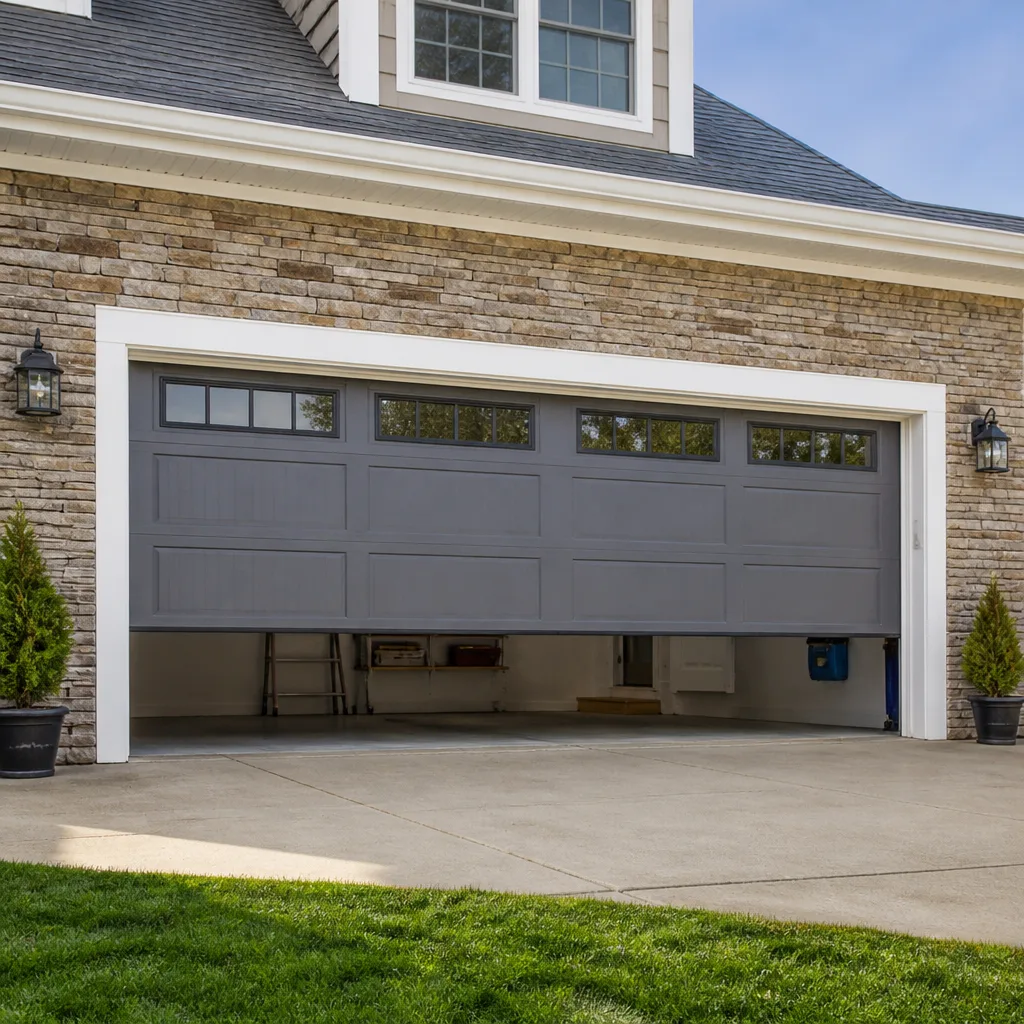
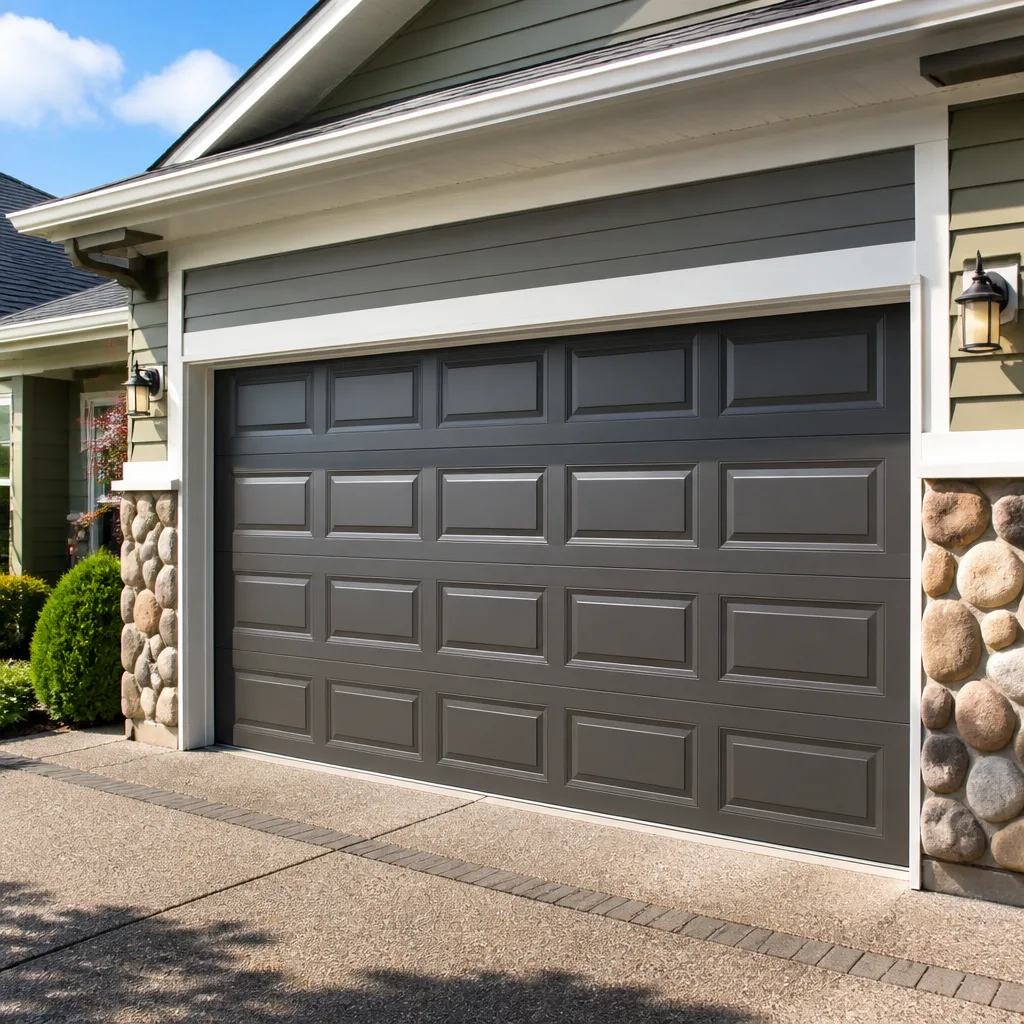 Raised-panel steel
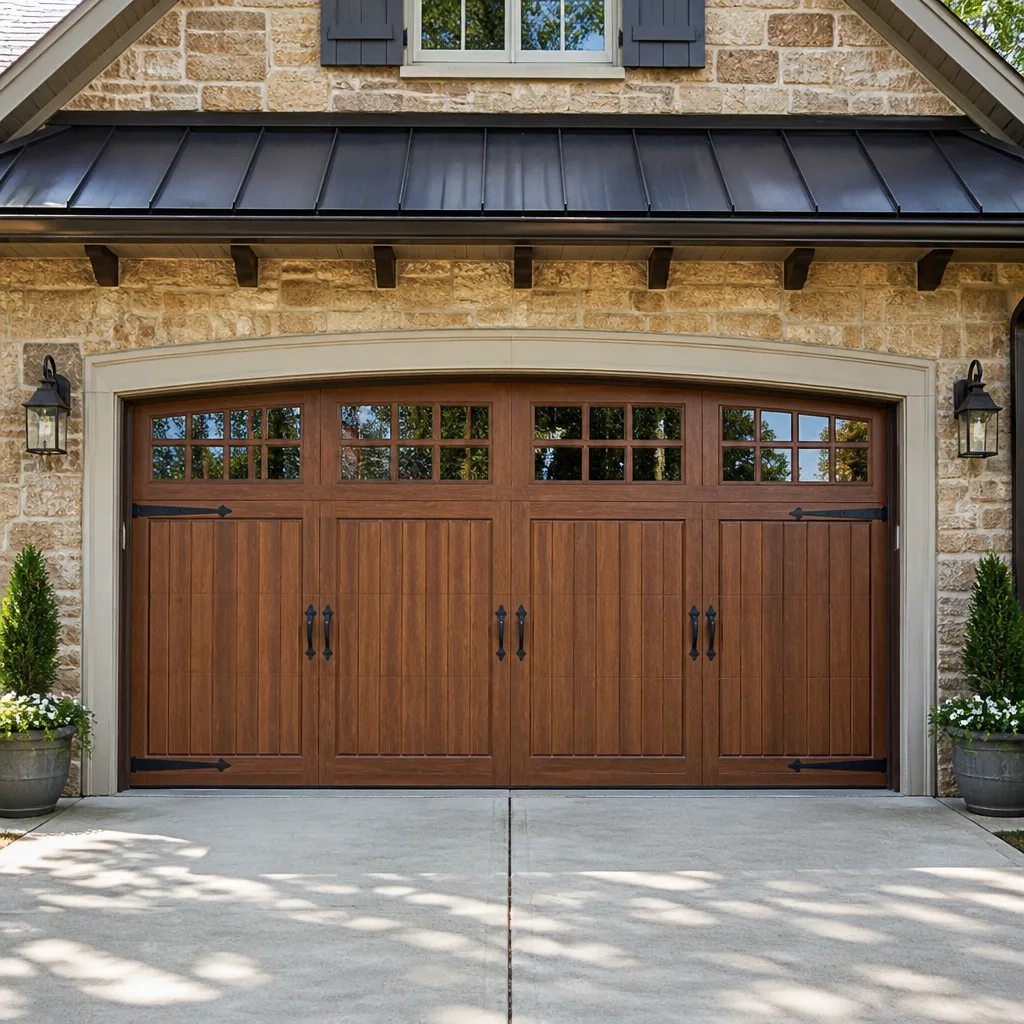 Carriage house
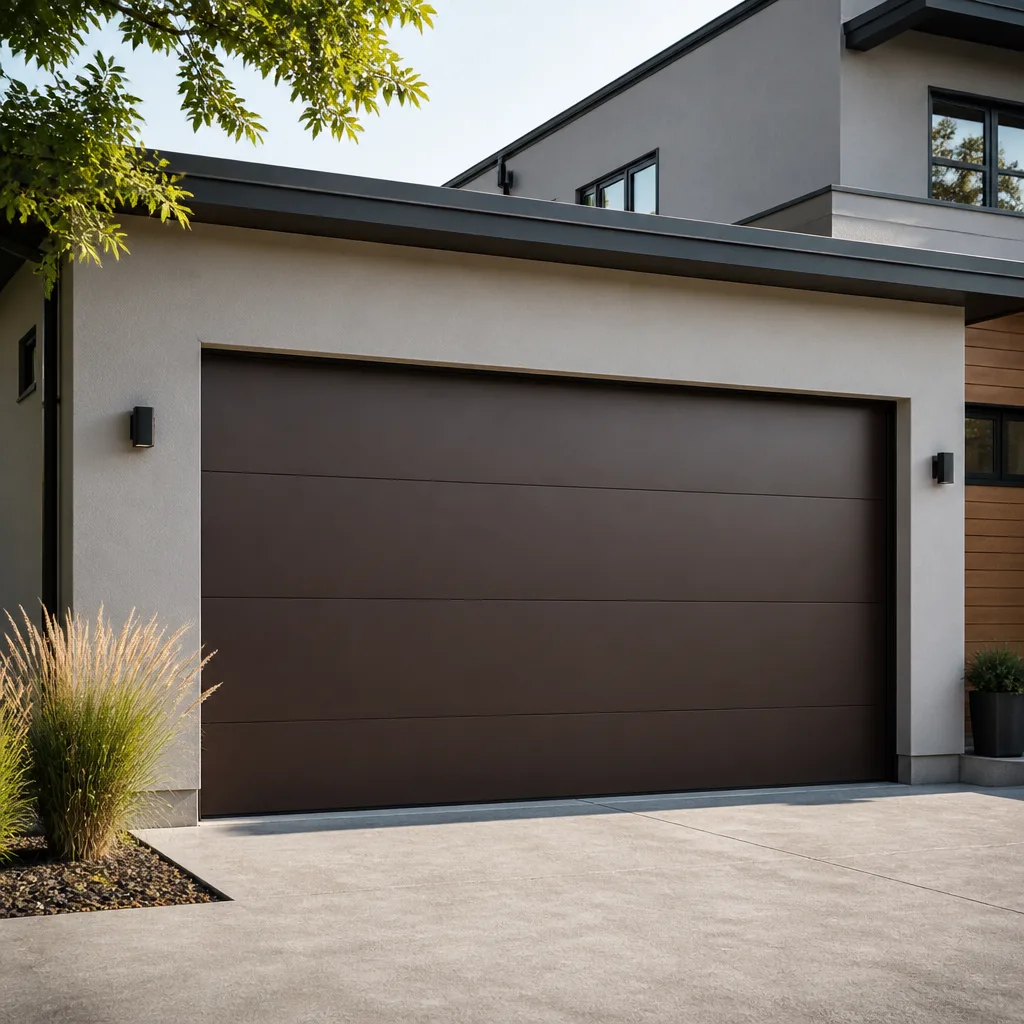 Modern flush
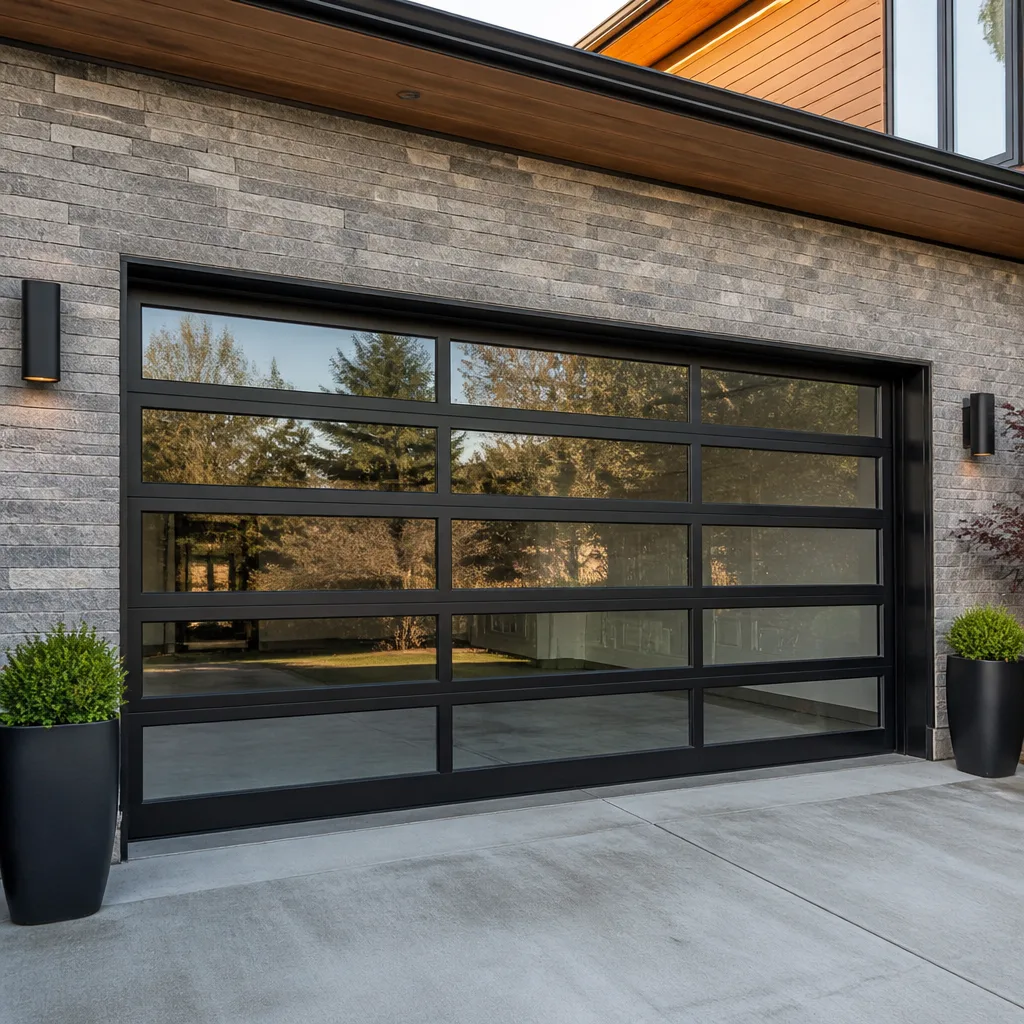 Full-view glass
 LiftMaster openers
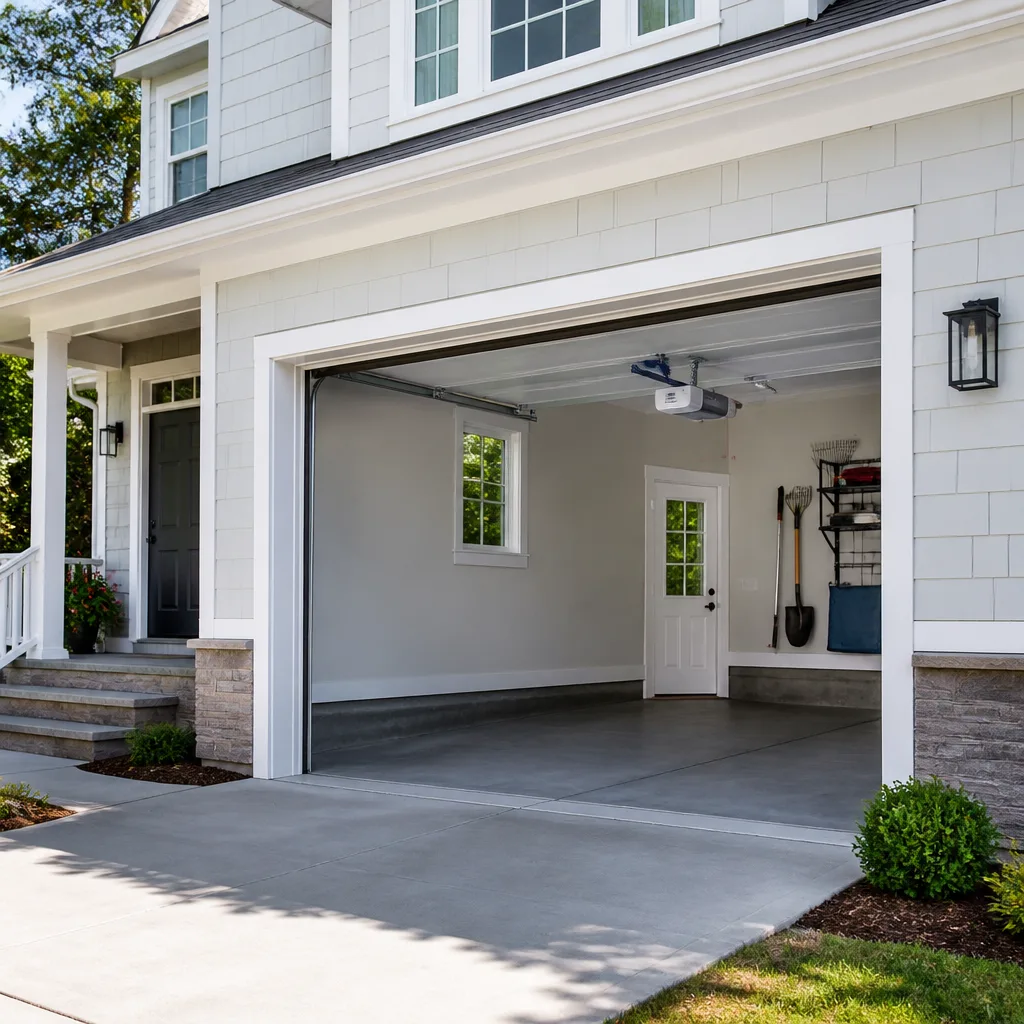 Chamberlain openers
Full 25-point door and opener safety check with every visit - springs, cables, rollers, tracks, and your LiftMaster or Chamberlain opener included
You get a price before we start. It does not change when the pro arrives.
Get your free estimateSeasonal Garage Door Care for Sanford: Year-Round Homeowner’s Guide
If your garage door maintenance guide tells you to “winterize” your system, it was written for someone else. Sanford‘s real seasonal threat is the June-October storm window, and most homeowners aren’t ready for it. A garage door here faces humidity that swells wood and corrodes hardware, a dry stretch that quietly changes spring tension, and a hurricane prep deadline that arrives every May whether you’re ready or not. This guide reframes garage door care around Central Florida’s actual calendar: wet season, dry season, and storm prep. You’ll learn what to inspect each month, what a brace kit really does, and which failures spike in July and August.
Quick Answer
Seasonal garage door care in Sanford follows three cycles, not four: storm prep in May, wet-season monitoring from June through October, and dry-season maintenance from November through March. The highest-value tasks are clearing and sealing the bottom seal before the rains, checking tracks and hardware for rust and misalignment once humidity peaks, and lubricating moving parts and inspecting cables during the cooler dry months. Spring tension changes with temperature, so the shoulder seasons matter more than winter here. A free estimate from a specialist beats a DIY guess on anything involving springs, cables, or the opener’s force settings.
Styles & brands we work with
- Raised-panel steel
- Carriage house
- Modern flush
- Full-view glass
- LiftMaster openers
- Chamberlain openers
Table of Contents
- Storm Prep Season (May): What to Inspect Before Hurricane Season
- Wet Season (June-October): Seals, Tracks, and Motor Units
- Dry Season (November-March): Springs, Lubrication, and Cables
- Post-Storm Inspection Protocol: The Sequence to Follow
- Year-Round Pest Intrusion Points in Central Florida Garages
- The Sanford Monthly Garage Door Checklist
- Repair or Replace? Reading the Signs Your Door Gives You
- Common Mistakes to Avoid
Storm Prep Season (May): What to Inspect Before Hurricane Season
May is the month that matters most in Sanford. Once the storm window opens in June, there’s little time to fix a loose track or a door that won’t latch. A garage door is often the largest opening in a house, and it’s also the one most homeowners never think to check before a named storm. Walking your system in May takes an hour and prevents the scramble of a pre-storm repair backlog.
Start with a visual pass of the whole door closed and then at chest height, where you can see the full panel assembly without stress. Then work through these checks:
- Test the balance. Disconnect the opener and lift the door halfway. A properly balanced door stays in place. If it drops, the springs are losing tension and need a professional look before storm season.
- Look at the tracks. They should be straight and plumb. Any bow or gap at the wall brackets means the door will rattle harder under wind load.
- Check the bottom seal. Run a hand along the floor contact. A stiff, cracked, or gapped seal lets water in during a summer downpour and needs replacing before the rains start.
- Inspect hinges and rollers. Hinges should be tight. Rollers should spin freely and show no flat spots.
- Read the opener manual. Most modern openers from LiftMaster, Chamberlain, or Genie have a force-adjustment procedure and a travel-limit check. Test the safety reverse by placing a roll of paper towels in the door’s path – the door should reverse on contact.
What a hurricane brace kit actually does
A brace kit adds horizontal or vertical reinforcement to the door’s panels so they resist deflection under wind pressure. It does not make a non-rated door hurricane-rated, and it doesn’t substitute for a proper wind-load rating if your home’s structure calls for one. If you’re considering a brace kit, have the door’s existing rating and the kit’s compatibility checked together – a mismatched kit can do more harm than no kit. For homeowners who want to know whether a replacement door makes more sense than retrofitting, a garage door installation consultation is the right starting point.
Wet Season (June-October): Seals, Tracks, and Motor Units
In our experience, garage door service calls in Sanford spike sharply in July and August, and the causes are consistent. Sustained humidity and daily afternoon storms push water and moisture into places a door doesn’t usually see it. Here’s what fails first.
- Bottom seals. Rubber and vinyl seals stiffen and crack faster in constant damp. Once a seal loses its flex, water wicks under the door and onto the garage floor. This is the single most common wet-season repair.
- Track corrosion and misalignment. Steel tracks pick up surface rust at the joints and pivot points. Rust at a bracket means the door will drag and the opener will work harder.
- Opener motor strain. When the door is heavier from a decked-out wet seal or a slightly warped panel, the opener’s motor compensates. That shows up as a door that reverses partway up or an opener that cuts out mid-cycle. It’s often a symptom, not a cause.
- Wood panel swelling. Some doors have wood frames or trim that absorb humidity. Panels can bind at the seams and need to be planed or refit.
- Photo-eye and safety sensor fouling. Sensors that sit low on the track collect mud splash and debris. Wiping them clean solves more “my door won’t close” calls than people expect.
Wet-season care is mostly about keeping water where it belongs and keeping the door moving freely. A monthly wipe-down of tracks, a quick sensor cleaning, and a check that the bottom seal still makes full contact with the floor cover the majority of issues. If the opener is the failing component, a garage door opener repair visit can diagnose whether the motor, the logic board, or the safety circuit is the actual problem. Doors from Clopay and Amarr, both common in Sanford neighborhoods, tend to hold up well through wet season when the seals are maintained.
Dry Season (November-March): Springs, Lubrication, and Cables
The cool months are the best window of the year for the maintenance tasks that take a little more time. Nights in Sanford drop into the 50s and 40s from November through February, and that temperature swing changes how torsion and extension springs behave. A spring that felt fine in August can feel noticeably lighter in January.
Cold nights make spring steel less elastic. That means a door that balanced easily in summer may feel heavier on a cool morning, and an opener’s force settings may need to be checked. This is also when lubrication matters most – cold makes stiff grease stiffer, and moving parts that were smooth in July can start to squeal or drag.
- Lubricate hinges, rollers, and the torsion shaft with a garage-door-specific lubricant, not WD-40. Work the lubricant into the pivot points of each hinge and into the roller bearings.
- Inspect cables for fraying, kinks, or rust along the length. Cables are under extreme tension and must never be adjusted or touched by a homeowner – a snapped cable can whip and cause serious injury. If you see damage, stop and call a professional.
- Test spring balance again with the opener disconnected. A door that won’t hold its position indicates a spring losing tension and needs a technician.
- Check the opener’s force settings against the manual. If the door has changed weight, the opener’s previous setting may be overworking the motor.
- Clean and treat the seal with a rubber-safe protectant to keep it flexible through the next wet season.
Springs are the one part of a garage door system homeowners should never adjust. Torsion springs store thousands of pounds of stored energy, and a wrong move can break a wrist or worse. Our technicians have up to 12 years of experience with spring systems across every major brand, and that’s the kind of task where hands-on time matters. If you’d like to know what a spring repair typically runs in Sanford, our garage door repair page breaks down the ranges for one spring, a matched pair, and related labor.
Post-Storm Inspection Protocol: The Sequence to Follow
After a named storm or a strong thunderstorm rolls through Sanford, don’t just open and close the door to see if it works. A brief visual check catches damage before the opener does. Work in this order:
- Stand clear and look. Before touching anything, stand outside and sight along the door. Bent panels, sagging sections, or a door that’s visibly out of square are grounds to stop.
- Check for debris in the tracks. Palm fronds, roof granules, and small branches collect at the rail joints. Clear them by hand, not with a tool that can bend the track.
- Inspect the bottom seal and threshold. Storm water often pushes under the door. A seal that’s been forced out of its retainer needs to be reseated or replaced.
- Look for water intrusion. Puddles inside the garage that didn’t come from the driveway tell you the seal or the door’s perimeter is failing.
- Test the safety reverse. Place an object in the door’s path and run the opener. If the door doesn’t reverse, the safety circuit is compromised and the opener should not be used.
- Listen for new noises. Grinding, popping, or a door that suddenly reverses mid-travel after a storm points to a bent track, a loosened bracket, or a spring that took load it wasn’t rated for.
If any step turns up damage you’re not sure about, don’t cycle the door repeatedly trying to diagnose it. A garage door specialist who can assess the whole system will save you the risk of worsening a bent rail or stretched spring.
Year-Round Pest Intrusion Points in Central Florida Garages
Sanford garages have a pest problem that northern climate guides never mention. Warm, humid conditions year-round mean insects, rodents, and small reptiles are always looking for a way in, and the garage door is one of the most common entry points. These gaps are worth checking because they’re also the gaps that let water in.
- The bottom seal-to-floor gap. A worn seal leaves a gap that’s wide enough for roaches, ants, and small snakes. If you can see daylight under the door, it’s open.
- Track-to-wall fasteners. Loose or rusted bracket screws leave tiny voids. Replacing fasteners with corrosion-resistant ones tightens the seal.
- Hinge knuckles and roller pockets. Small spaces behind hinges collect moisture and provide shelter. These are also where rust starts, so inspecting for pests doubles as inspecting for corrosion.
- The door’s top weatherstrip. When it’s torn or missing, insects and moisture enter at the header.
- Opener wiring penetrations. The hole where the opener’s safety sensor wiring enters the wall is a route for ants and small pests.
- Panel seams on wood doors. Wood panels that have swollen can leave tiny gaps at the seams – a Sanford-specific problem caused by year-round humidity.
Replacing a worn seal and tightening fasteners solves most pest intrusion issues that start at the door. It also keeps the door’s balance and alignment correct. If your door is old or the seals are past their useful life, a tune-up handles both problems at once.
The Sanford Monthly Garage Door Checklist
Monthly checks take about 15 minutes and catch the failures that would otherwise show up as a service call. Here’s what to walk through:
- Look at the door in both positions – closed and at chest height. Sagging or misaligned panels show up in the middle of the travel.
- Run the safety reverse test with an object in the door’s path. This is a two-minute check that prevents a real hazard.
- Wipe the photo-eye sensors with a dry cloth. Wet-season debris is the most common cause of a door that refuses to close.
- Check the bottom seal for cracks, stiffness, or gaps. The wet season is the deadline for replacement.
- Listen for new noises – grinding, squealing, or a door that sounds heavier than it did last month.
- Test balance by disconnecting the opener and lifting the door halfway. It should stay in place.
- Glance at the tracks for rust, debris, or any bow at the joints.
Seasonally, add a spring and cable inspection in the dry months, a pre-storm full check in May, and a post-storm protocol after every named system. That’s the whole calendar. Sanford homeowners who follow it report fewer emergency calls and longer life out of their openers.
Repair or Replace? Reading the Signs Your Door Gives You
The decision to repair versus replace depends more on the door’s overall condition than on any single failure. Here’s how to read the signals.
Signs repair is the right call
- A single broken spring on an otherwise balanced door
- An opener that’s failed on a door that lifts easily by hand
- One bent panel on a door where the rest of the sections are sound
- A worn bottom seal or weatherstrip on a door whose panels and hardware are still in good shape
- Rust at a few fasteners or hinges on a door that isn’t structurally failing
Signs replacement makes more sense
- Multiple failing springs, cables, and hinges on a door that’s also losing balance
- Panel delamination on wood or composite doors after repeated wet seasons
- A door that no longer matches the structural rating your home needs, or a brace kit that can’t be safely retrofitted
- Damage that affects the door’s integrity from a storm or impact
- A complete system – door, tracks, and opener – that’s consistently underperforming and eating repair calls
We don’t push replacement when a repair solves the problem. That’s why we work on the brand you already have, whether it’s Chamberlain, Genie, Clopay, or Amarr. If you want a full assessment before deciding, the team behind Sanford Garage Door Repair Pros handles both repair and full installation, so the call doesn’t have to be split between two contractors.
Common Mistakes to Avoid
- Winterizing a Florida garage door. Guides written for freeze-thaw climates don’t apply in Sanford. Your priority is storm prep and wet-season sealing, not snow load or frost protection.
- Skipping the May walkthrough. Storm season arrives whether or not you’ve checked the door. A loose bracket found in April costs a fraction of a repair after the first storm.
- Using WD-40 on hinges and rollers. It’s a solvent, not a lubricant. It displaces moisture briefly and then dries, leaving moving parts to grind. Use a garage-door-specific lubricant.
- Adjusting springs or cables yourself. Torsion springs and cables store dangerous energy. This is the one part of garage door care that should always be left to a trained technician.
- Ignoring a bottom seal that “looks fine.” Caught early, a stiff seal is a small fix. Caught after the wet season, it’s water damage on the floor and a door that no longer seals.
- Cycling a storm-damaged door to “check if it works.” A bent track or a loosened bracket gets worse each time the door moves. Stop and get it looked at.
- Forgetting the photo-eye sensors. A dirty sensor is the number one reason a door refuses to close, and it’s a five-second fix. Wipe them monthly during wet season.
See the difference
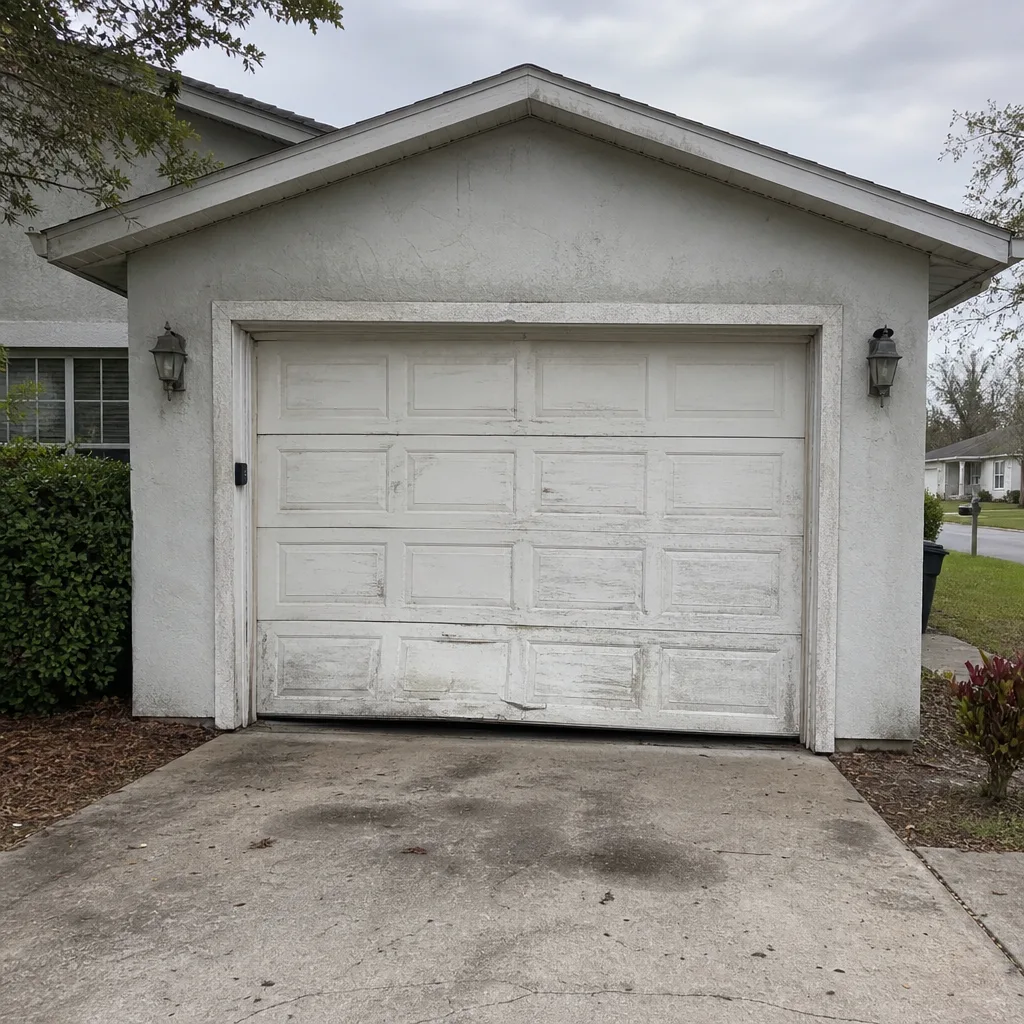 Before
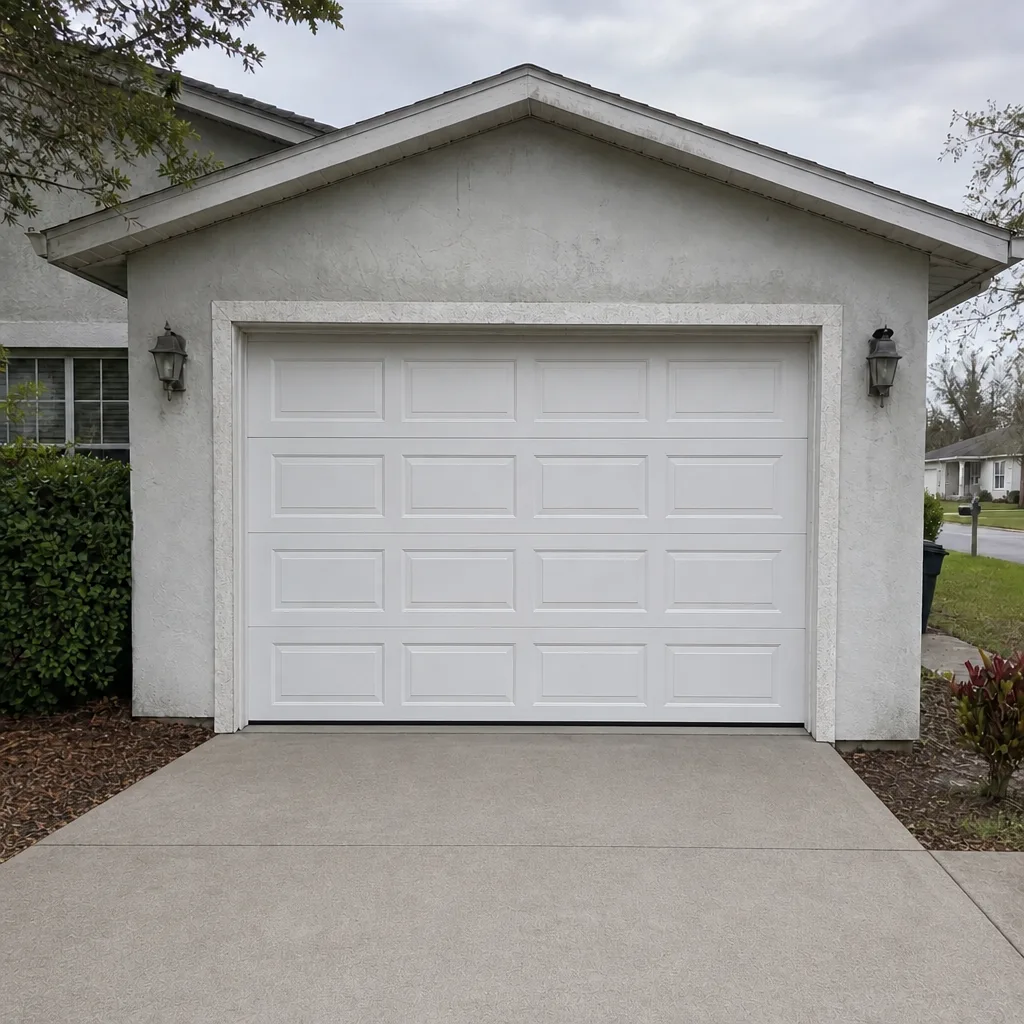 After
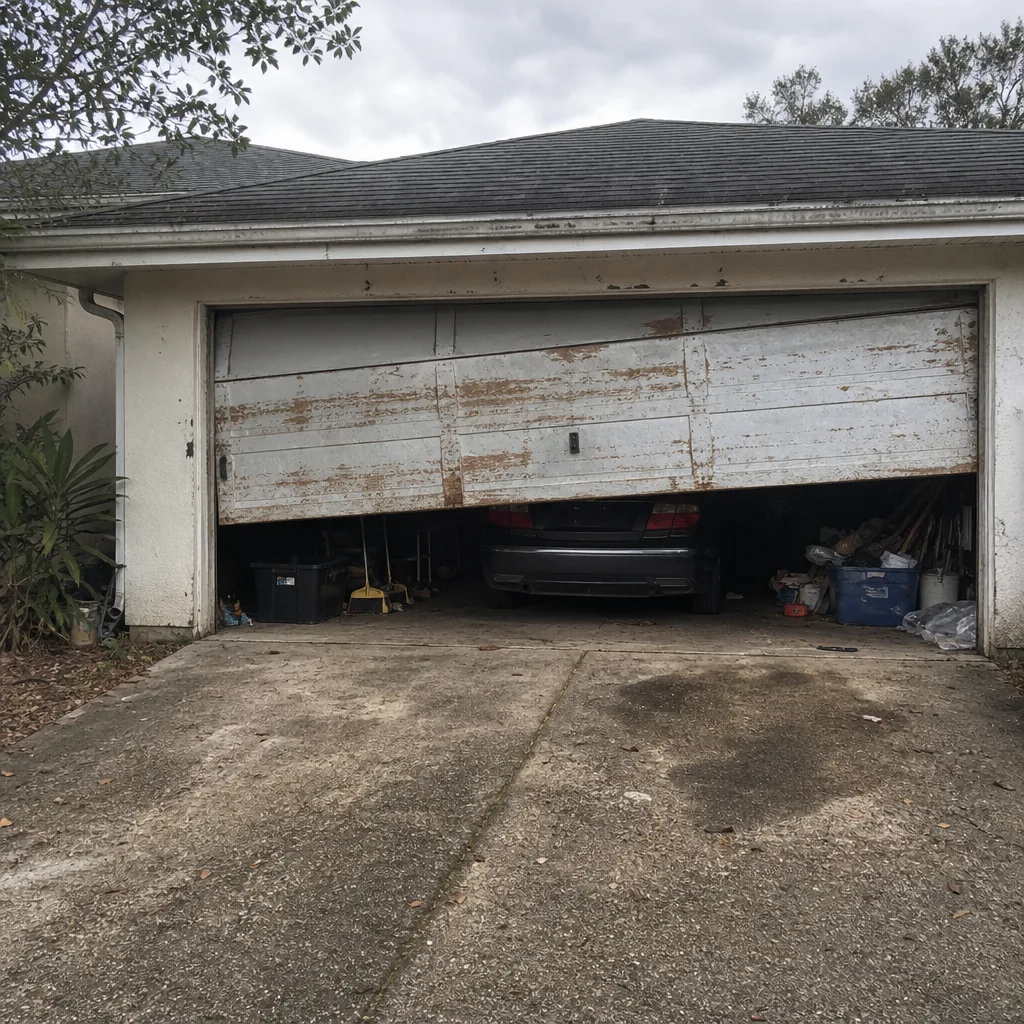 Before
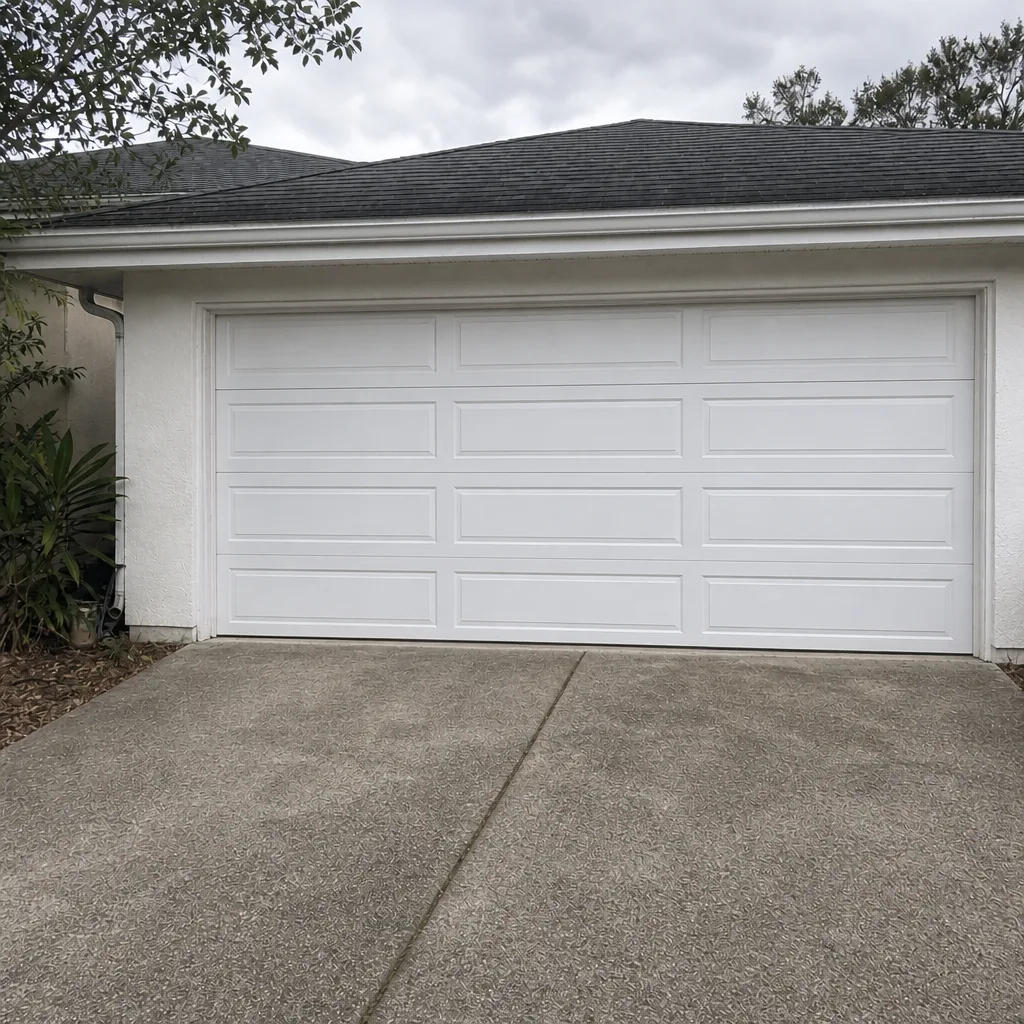 After
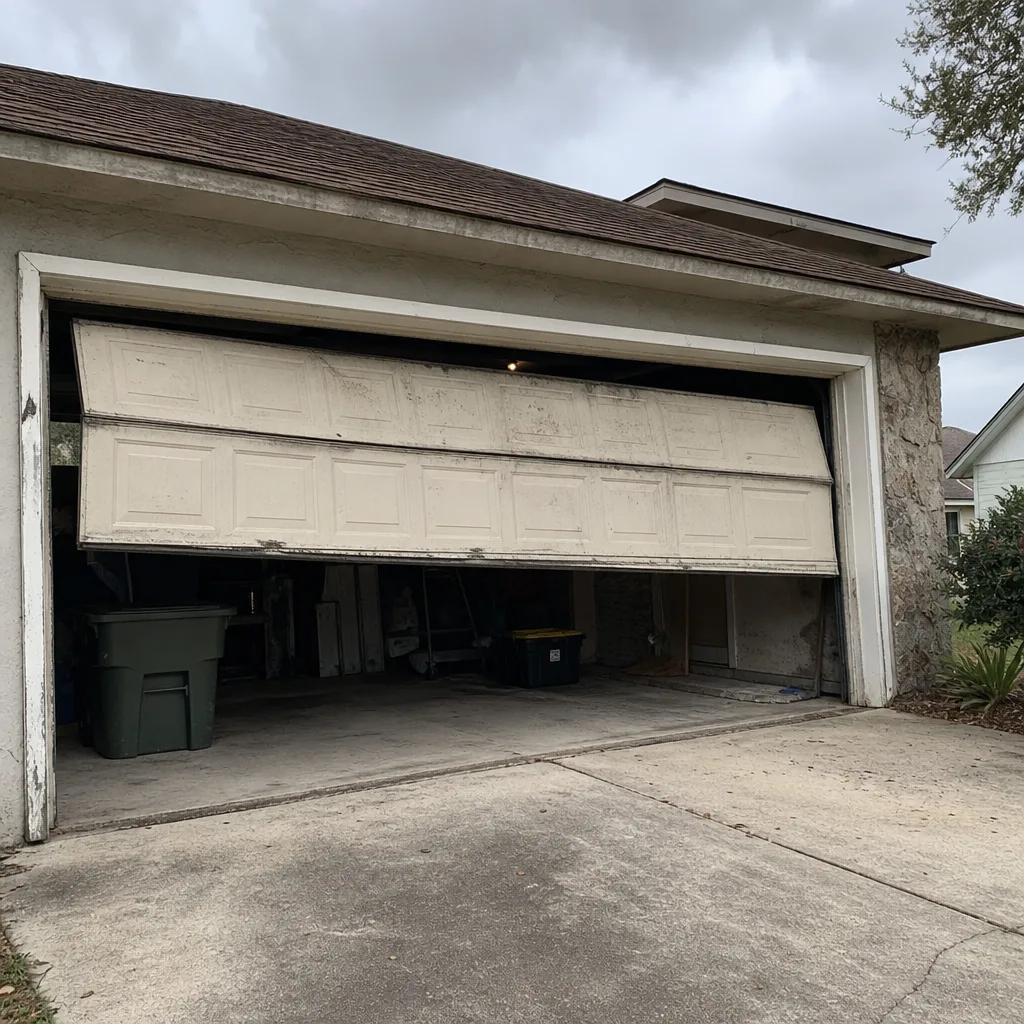 Before
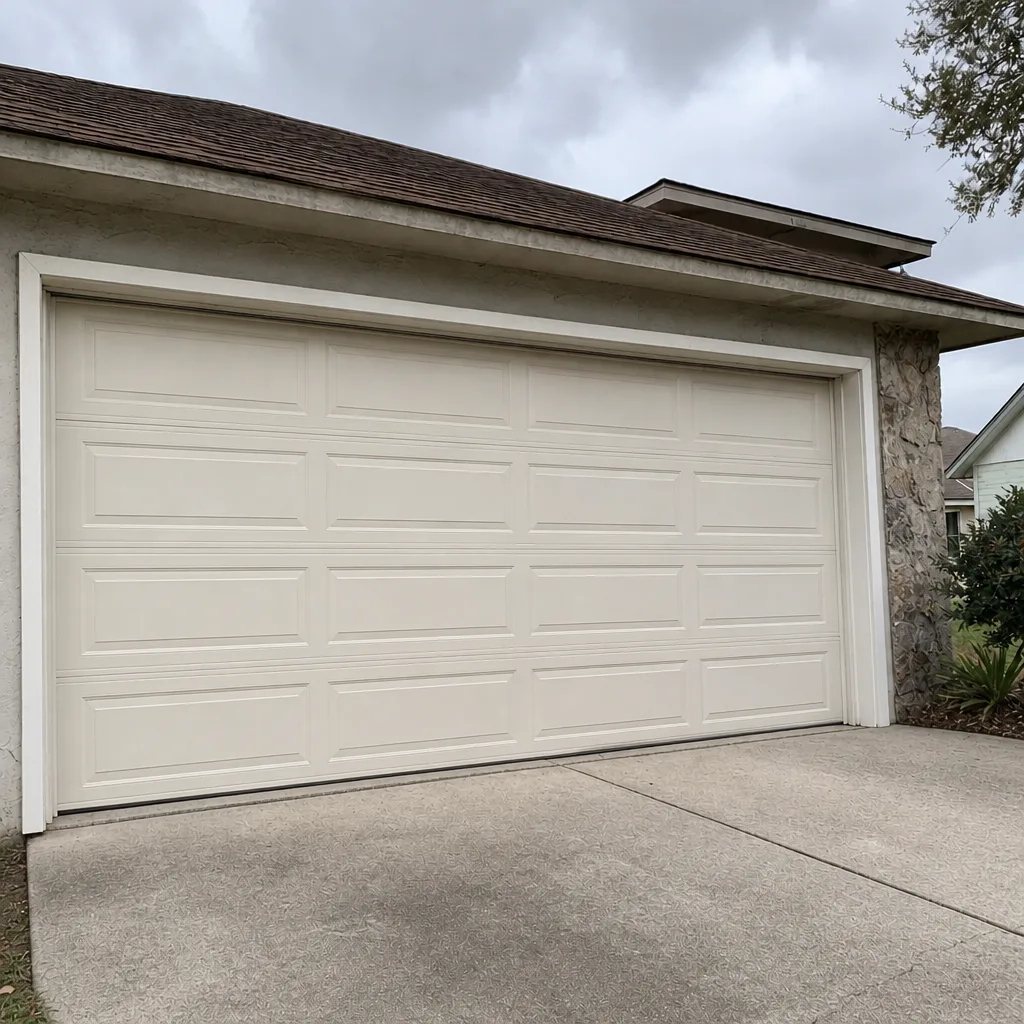 After
When to Call a Professional
Call a professional for any spring or cable issue, any door that won’t balance, any opener that reverses or cuts out on its own, and any structural bent track or panel. If the door is a primary entry point for your household, a failing system is a daily inconvenience you shouldn’t tolerate waiting on. Storm damage and post-storm misalignment on Sanford doors are also worth a professional inspection – the fix is often smaller than the homeowner expects. Sanford Garage Door Repair Pros offers free estimates in Sanford – call (855) 506-7237. We work on the brand you already have across LiftMaster, Chamberlain, Genie, Clopay, Amarr, Wayne Dalton, Craftsman, and Raynor. Emergency garage door service is a confirmed offering for doors that can’t wait, and our technicians have up to 12 years of experience with the mechanical systems that fail most often.
Frequently Asked Questions
Monthly visual checks plus three seasonal deep-dives: a full pre-storm inspection in May, wet-season monitoring through October, and dry-season lubrication and cable inspection from November through March. That schedule matches Central Florida’s actual weather cycles rather than a four-season calendar.
A brace kit adds reinforcement to resist wind deflection, but it does not convert a standard door into a hurricane-rated door. Whether it’s the right choice depends on your door’s current rating and the reinforcement’s compatibility. Have the door and the kit assessed together before installing anything.
Spring steel loses elasticity as temperatures drop. On cool Sanford mornings in the dry season, a door that felt balanced in summer may feel heavier, and the opener’s force settings may need adjusting. A spring balance test with the opener disconnected tells you in seconds whether the door needs attention.
Bottom seal failure and track corrosion are the two most common wet-season issues. Constant humidity stiffens the seal and rusts the hardware, and the door starts dragging or letting water in. Seals are inexpensive to replace and prevent expensive water damage if caught before the rains set in.
No. Torsion and extension springs store dangerous energy, and a failed spring can cause serious injury. This is the one part of garage door care that should always go to a trained technician. If a spring is broken or losing tension, call (855) 506-7237 and we’ll assess it.
Repair is usually the right call for a single failed spring, a bent panel on an otherwise sound door, or a failing opener on a door that lifts easily by hand. Replacement makes more sense when multiple systems fail at once or when panel damage compromises the door’s structure. Have a specialist assess the whole system before deciding.
The Bottom Line
Sanford doesn’t have the four-season cycle most maintenance guides are built around. You have a storm prep window in May, a wet season that stresses seals and tracks from June through October, and a dry season that’s the right time for spring and cable inspection. Follow the monthly checklist, get the pre-storm walkthrough done, and treat spring and cable work as off-limits for DIY. That’s the whole program. When a repair, a tune-up, or a full replacement comes up, Sanford Garage Door Repair Pros handles the whole range – springs, openers, panels, and full installs – so you don’t have to call a second contractor. Call (855) 506-7237 for a free estimate. We answer 24/7. Fast dispatch from 7am to 7pm, Sunday through Friday.
Written by the team at Sanford Garage Door Repair Pros.