
Last updated November 22, 2026
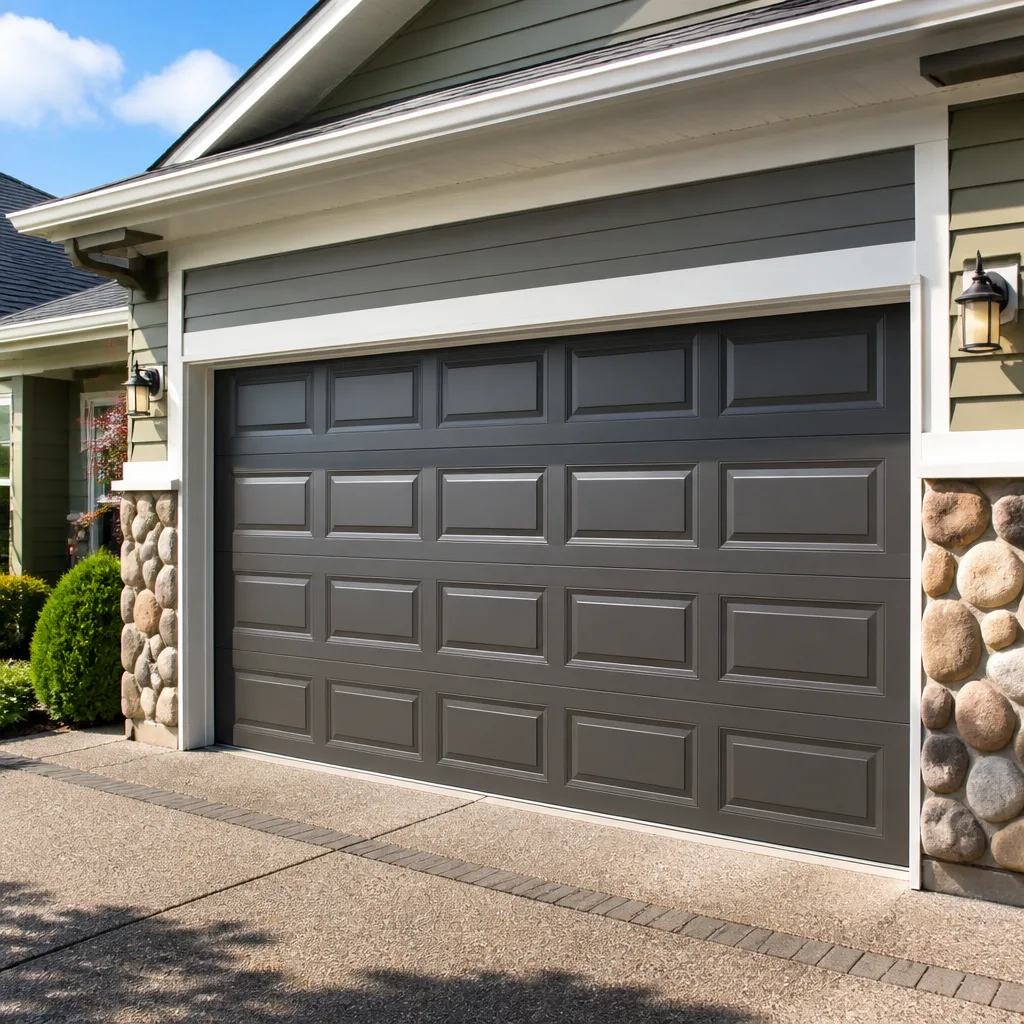 Raised-panel steel
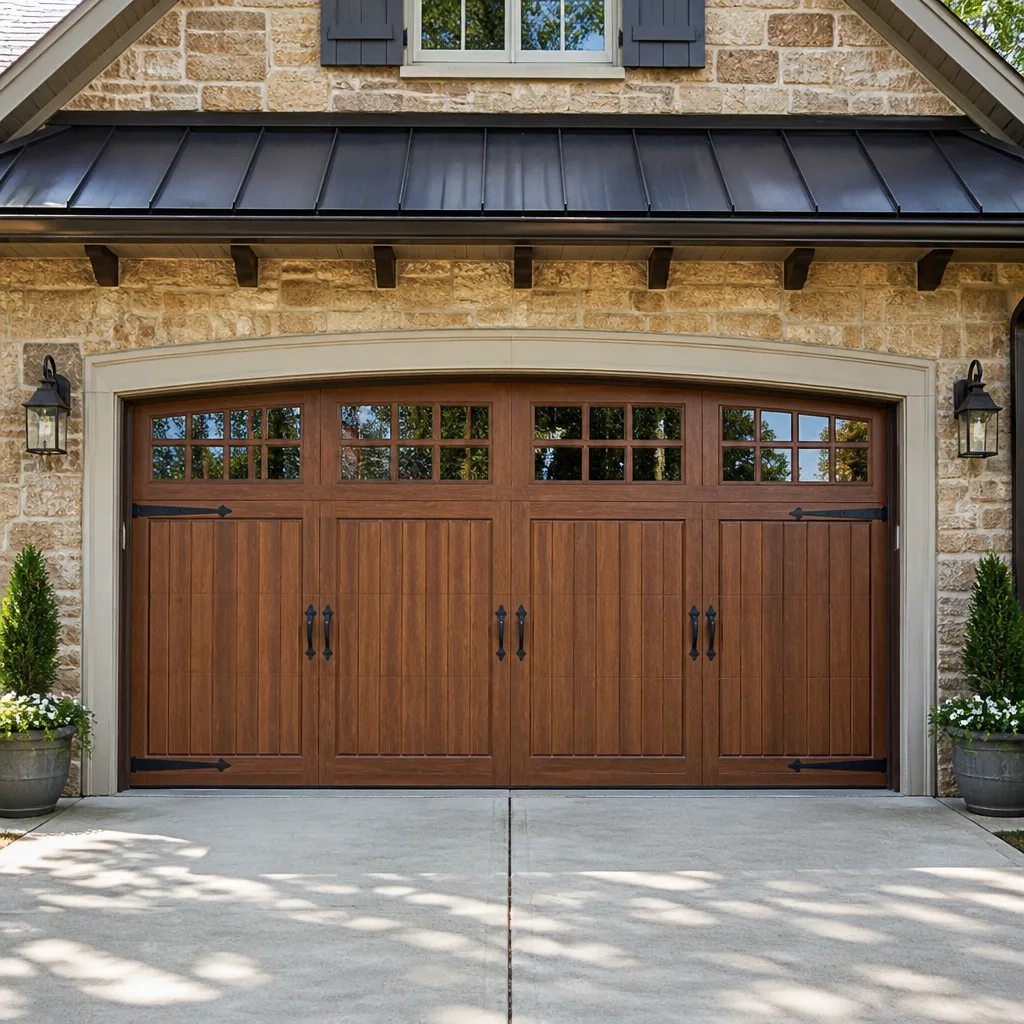 Carriage house
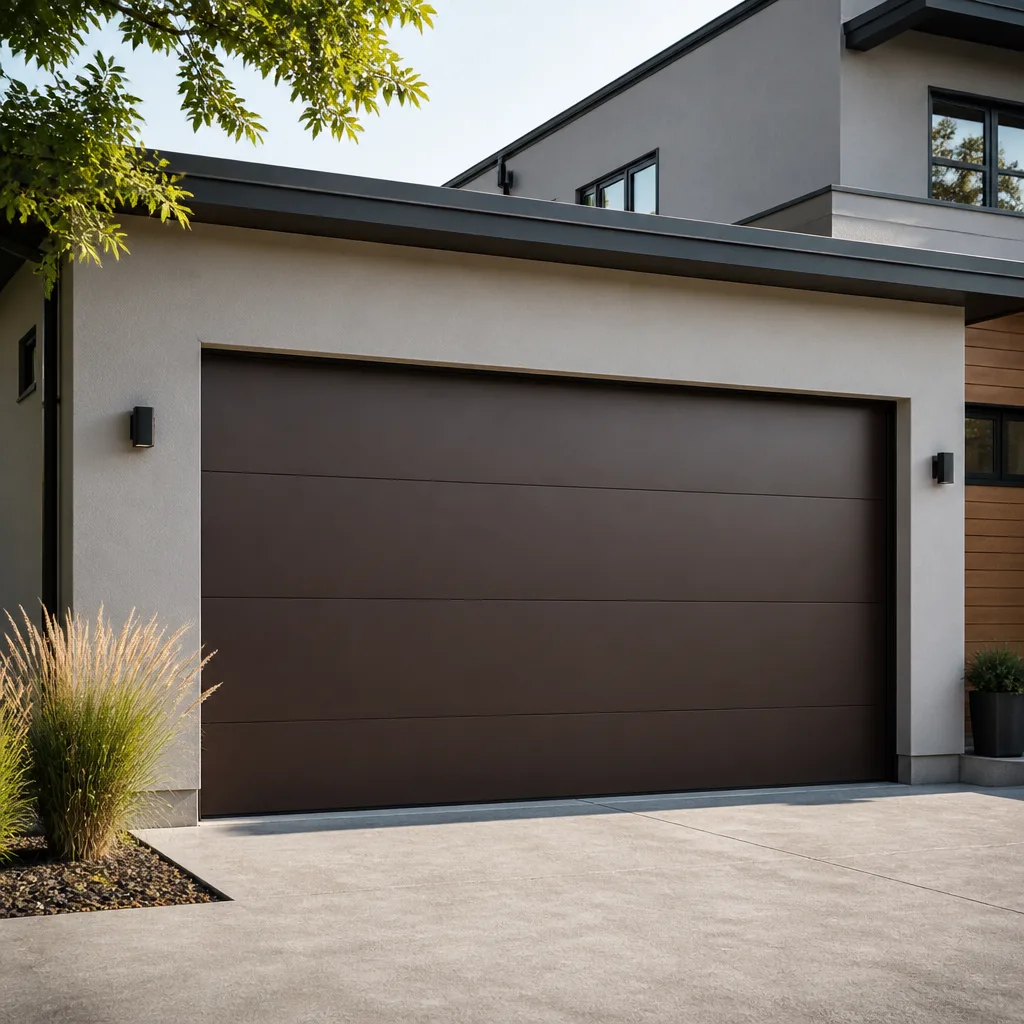 Modern flush
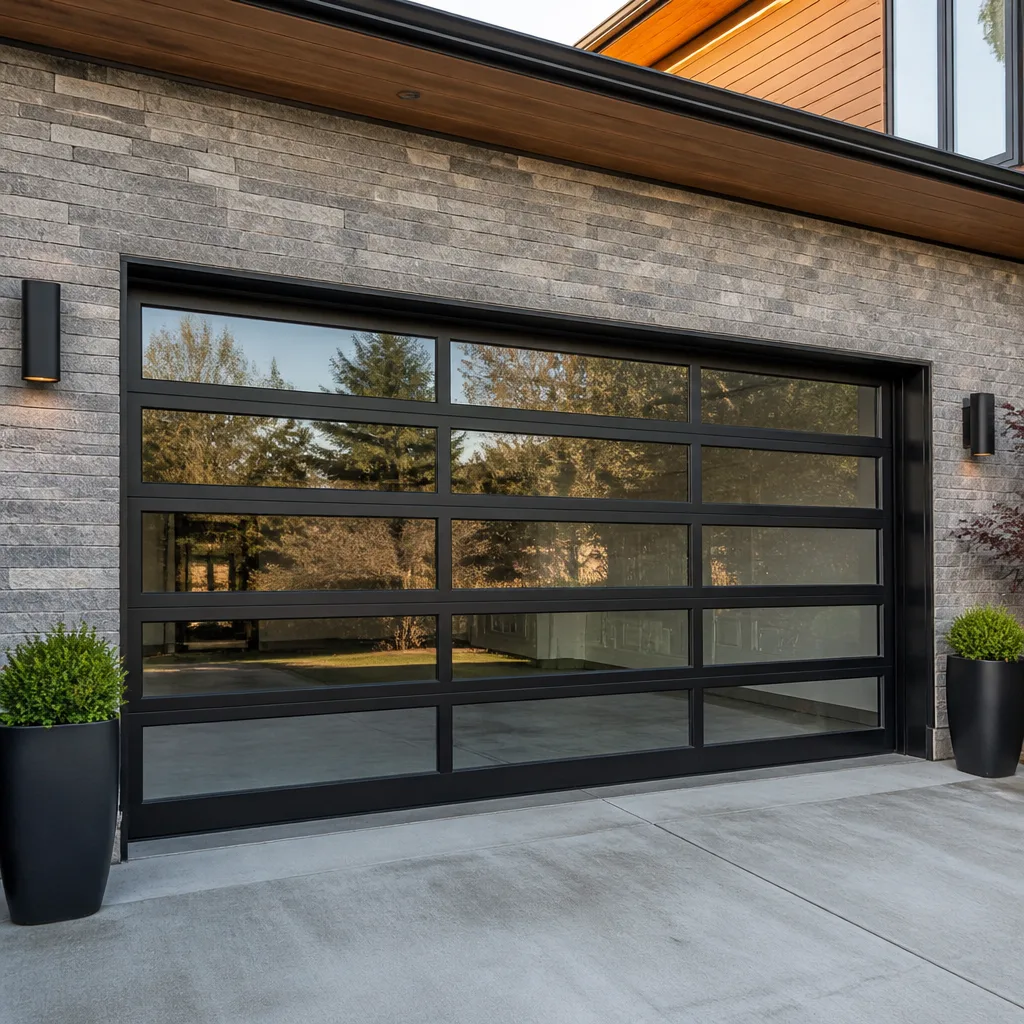 Full-view glass
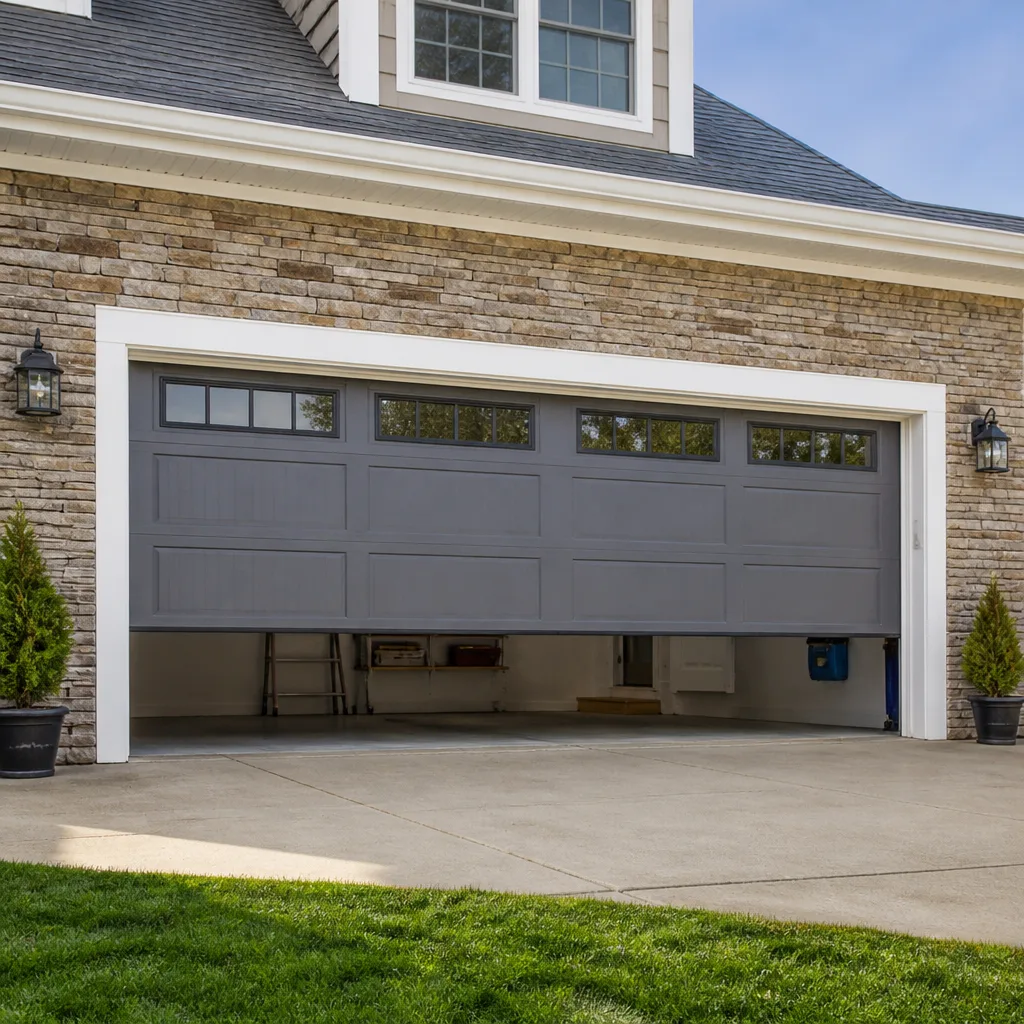 LiftMaster openers
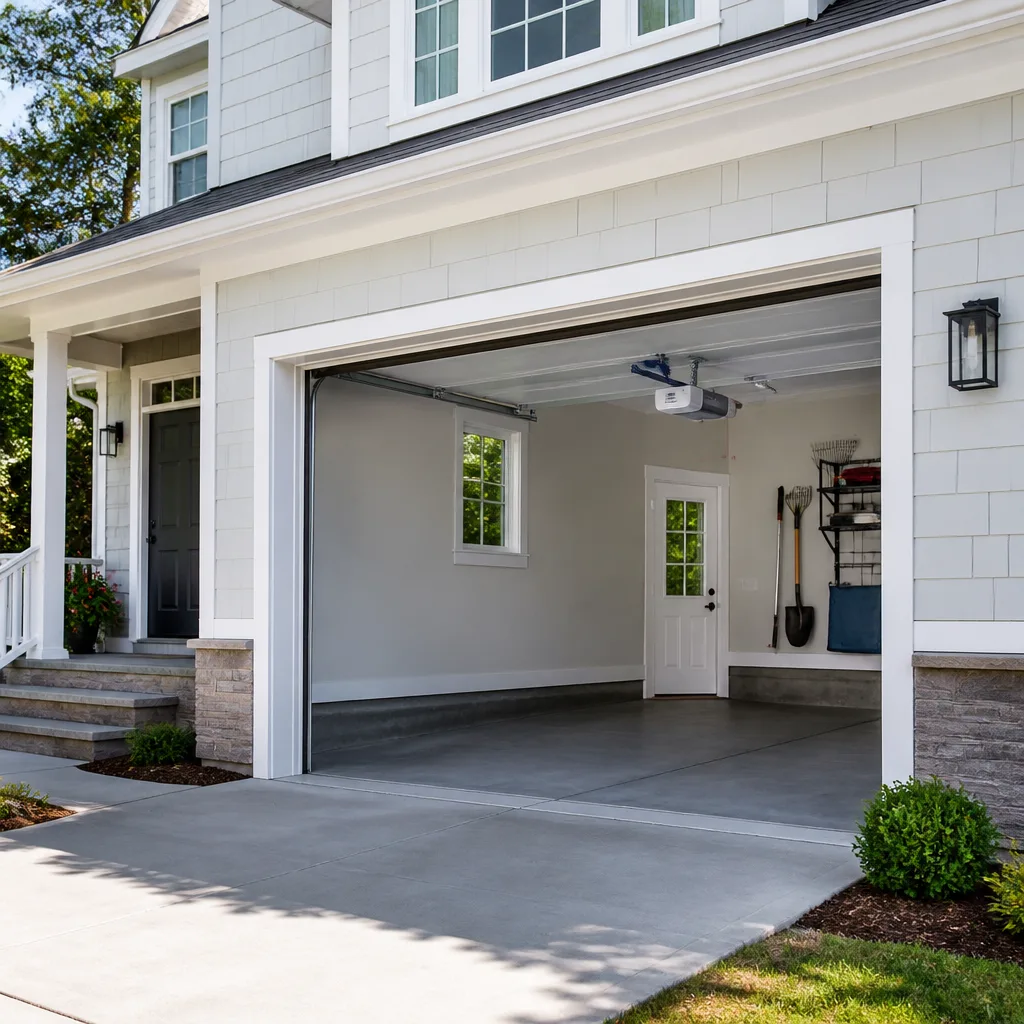 Chamberlain openers
Full 25-point door and opener safety check with every visit - springs, cables, rollers, tracks, and your LiftMaster or Chamberlain opener included
You get a price before we start. It does not change when the pro arrives.
Get your free estimateGarage Door Warning Signs: A Sanford Homeowner’s Reference Guide
A garage door that hesitates for two seconds before it moves isn’t being slow. It’s telling you the spring tension is off-balance, and that asymmetry is how a worn cable or a bent track starts. Most garage door failures we diagnose in Sanford don’t begin with a loud bang. They begin with a sound, a wobble or a gap that the homeowner walked past for months. This guide is written to help you read those early signals with enough technical context to act correctly without panicking, and to sort the harmless noises from the ones that mean stop using the door today.
Quick Answer
The most reliable early garage door warning signs are hesitation on lift, uneven travel side to side, new grinding or popping sounds, a door that reverses before it reaches the floor, and visible sag or fraying on spring and cable assemblies. In Sanford, our mild, humid climate adds three more: rust streaking on the tracks, soft or swollen wood bottom sections, and weatherstripping that’s gone brittle from sun exposure. If a spring or cable looks damaged, don’t keep cycling the door. Call a trained professional.
Styles & brands we work with
- Raised-panel steel
- Carriage house
- Modern flush
- Full-view glass
- LiftMaster openers
- Chamberlain openers
Table of Contents
- The Subtle Signals Most Homeowners Miss
- Reading Your Door by Sound: Normal vs. Warning
- The 30-Second Visual Tension Test (No Touching)
- Why a Door That Reverses Unexpectedly Matters
- Florida-Specific Warning Signs: Humidity, Heat and UV
- The Urgency Triage: Schedule, Stop, or Monitor
- A Simple Seasonal Check for Sanford Homes
- Common Mistakes to Avoid
The Subtle Signals Most Homeowners Miss
Search for garage door warning signs and you’ll mostly get lists of catastrophes: the door won’t open, the door fell off the track, the opener just clicks. Those are failures, not warnings. By the time you see them, the repair is bigger and the safety risk is real. The signs that actually predict a breakdown show up weeks before that, and they’re easy to dismiss because the door still works.
What we look for first on any diagnostic visit in Sanford is symmetry. A healthy sectional door lifts with even tension on both sides and settles back down along the same line every time. When one side works harder than the other, that imbalance loads a spring, a cable or a hinge more than it was built for, and something eventually gives.
These are the early clues worth noticing:
- A pause before the door moves. A brief hesitation when the opener engages usually points to a spring that’s lost tension.
- A slight lean. Stand back and watch the top panel as the door rises. One side reaching the header first is a track or tension issue, not a quirk.
- New vibration. If the door used to run quietly and now you can feel it through the floor, a roller, hinge or bearing plate is wearing.
- Loose hardware. Track brackets and hinge bolts work loose over time from daily cycling, especially on a door used as a primary entry.
- Small gaps at the floor. Sunlight or a draft under the bottom seal means the door isn’t closing flush, which strains the opener’s travel limits.
None of these will stop the door tomorrow. That’s exactly why they get ignored for months, and why a spring snap or a jumped cable catches homeowners by surprise. Our technicians have up to 12 years of experience reading these patterns, and the call is almost always cheaper at the hesitation stage than after the break.
Reading Your Door by Sound: Normal vs. Warning
A garage door is a mechanical system with rollers in tracks, hinges between panels, and springs under constant load. Some noise is the sound of all those parts working. The question isn’t whether your door makes noise; it’s which kind.
Normal sounds you can ignore: a low, steady hum from the opener motor, a soft roll as the rollers pass through the track, a muted thud as the door meets the floor. These stay roughly the same year to year. Get in the habit of listening for the door once a week from inside the house, so you know your own baseline.
Warning sounds mean something is binding, slipping or fatiguing:
- Grinding: metal dragging on metal. Usually dry or seized rollers, a worn bearing plate, or a track that’s out of alignment. Left alone, grinding transfers wear to the opener’s drive gear.
- Popping or snapping: often the torsion spring slipping on its shaft, or a cable coming out of its drum. This one deserves a same-day call, and you should stop cycling the door.
- Scraping: the door panel contacting the track, commonly after a minor impact or a bent section. It can turn a cheap adjustment into panel replacement.
- A single loud crack: the classic sound of a torsion spring breaking. The door will usually feel extremely heavy or stop lifting entirely. Don’t force it.
If the noise is new and repeatable, it’s worth an inspection. If it’s a pop or a crack followed by the door behaving differently, treat it as urgent and keep the door down until someone qualified looks at it. You can reach our team for garage door repair and we’ll tell you over the phone whether it’s safe to run the door in the meantime.
The 30-Second Visual Tension Test (No Touching)
Springs and cables are the safety-critical heart of your door, and they’re the parts most likely to hurt someone. High-tension springs and the cables they control store enough energy to cause serious injury, so this test is a look, not a touch. Don’t adjust, oil, unhook or try to “help” a spring or cable yourself. A trained professional has the tools and the knowledge to work on them safely.
With the door fully closed, do this walkaround:
- Look up at the torsion spring above the door. On a two-spring setup, the springs should look like matched twins. A visible gap between coils, a coil that’s tighter at one end, or one spring noticeably slacker than its partner is a tension warning.
- Check the spring for a clean break line. A torsion spring that has failed often shows a clear split, and the door will feel very heavy if you try to lift it by hand. Don’t lift it far to test.
- Inspect both cables without touching them. Cables run down each side to the bottom bracket. Look for fraying, kinks, or a cable that’s come loose from its drum. Any fraying is a stop-using-the-door signal.
- Glance at the tracks. They should be parallel and straight, with no dents or bends. A bent track will derail rollers.
- Look at the bottom corners of the door. The bottom brackets carry the cable tension. If either bracket looks loose or the cable looks slack, don’t cycle the door.
Note anything that looks off and describe it when you call. A photo helps. This is one area where our multi-brand experience matters, since we work across Clopay, Amarr, Wayne Dalton and other systems and know how each one is built. For anything involving the spring or cables, keep it to a visual check and get a professional to confirm. If you’re not sure what you’re looking at, garage door opener repair calls often start with exactly this kind of walkaround.
Why a Door That Reverses Unexpectedly Matters
A door that goes back up before it reaches the floor is easy to write off as a sensor glitch. Sometimes it is. But reversal behavior is also one of the most useful diagnostic signals a garage door gives you, because it usually means the opener’s safety system or its force sensing is doing its job and something else is off.
There are two common culprits. The first is the safety reversal system: the photo-eye sensors near the floor, or the pressure-activated safety on the door edge. If the eyes are knocked out of alignment, dusty, or blocked by a stored item, the opener reads an obstruction and reverses. That’s the system working as designed. The second is force sensing. The opener has a built-in limit for how much resistance it should meet. A binding track, a dry roller, or a spring losing tension adds resistance, and the opener reverses because the load exceeds what it expects.
That second case is the one people miss. A door that reverses now and then because it’s fighting extra resistance is a door whose opener is straining on every cycle. Keep ignoring it and you can lose the opener along with the original problem.
Walk through this before you call:
- Clear anything stored near the door and check that the photo-eye lenses are clean and facing each other.
- Check that the eyes are mounted at the same height on both sides and haven’t been bumped.
- Watch the door travel. If it reverses at the same spot every time, note where. That tells a technician a lot.
- If the door reverses with nothing near it and the eyes look fine, stop cycling it and get it inspected.
Reversal on a door used as your main entry in Sanford isn’t something to live with. It’s a signal worth reading now.
Florida-Specific Warning Signs: Humidity, Heat and UV
Central Florida’s climate is gentle on people and hard on garage doors in specific ways. Our winters are mild, so we don’t see the freeze damage common up north, but the long warm season, high humidity and relentless sun create their own set of warning signs. Homeowners who’ve moved to Sanford from colder regions often don’t know to look for these.
- Rust streaking on the tracks and hardware. Humidity plus the warm air inside a garage is enough to start surface rust on steel tracks, rollers, hinges and springs. Rusty rollers don’t roll, they drag, and that drag shows up as grinding and extra load on the opener. Rust on a spring is a good cue to get it inspected before it fails.
- Swollen or soft wood bottom sections. Some older doors have wood bottom rails. In a humid climate, that wood absorbs moisture, swells and starts to rot. A soft bottom section throws off the door’s balance and can pull the bottom bracket loose, which is a cable-safety concern.
- Brittle weatherstripping. The rubber or vinyl seal around the door and between panels takes constant UV exposure. When it goes stiff and cracked, it stops sealing, lets water and pests in, and the door no longer closes flush, which strains the opener’s limits.
- Faded, chalky paint on the panels. Cosmetic on the surface, but it’s a cue to check for hairline cracks in the panel skin, which let moisture into the door’s core.
- Sun-baked opener housings. A garage that gets direct afternoon sun runs hot. Inspect the opener’s mounting and listen for a labored motor.
An annual walkaround with these five points in mind catches most climate-related wear early. If you find rust on the springs, swelling on the bottom section, or seals that crumble when you touch them, note it and schedule an inspection.
The Urgency Triage: Schedule, Stop, or Monitor
The hardest part of reading warning signs is knowing how much urgency each one carries. Panic leads to needless calls, and complacency leads to real damage. Here’s how we sort the signs. Treat this as a guide for a conversation with a technician, not a substitute for one.
Stop using the door until it’s fixed
- A spring that’s visibly broken or shows a clear gap between coils
- A frayed, kinked or slack cable
- A door that’s come off one track or is visibly crooked when closed
- Loud popping or cracking followed by the door feeling very heavy
- A door that reverses with nothing in its path, every time
These involve parts under high tension. Keep the door down, don’t force it, and don’t attempt a repair. This is the safety caveat that matters most in this whole guide.
Schedule an inspection this week
- A brief pause or hesitation before the door lifts
- New grinding or scraping during travel
- A door that leans or reaches one side first
- Rust on tracks, rollers or hinges that’s clearly spreading
- An opener that strains or sounds louder than it used to
These are pre-failure signals. Catching them early usually means a straightforward repair rather than a full replacement.
Monitor and correct on your own schedule
- Brittle or cracked weatherstripping
- Loose bolts on hinges and brackets you can tighten safely with a wrench
- Minor cosmetic fading or a slightly noisy door that’s otherwise even
- An occasional sensor reversal that clears once the eyes are cleaned and aligned
These are maintenance items. Handle them when you can, but don’t ignore them for a year. Small wear becomes big wear.
When a door won’t close and you can’t wait, we handle emergency garage door service as a core part of what we do. Call (855) 506-7237. We answer 24/7. Fast dispatch from 7am to 7pm, Sunday through Friday. A call outside dispatch hours is booked into the next opening, Sunday through Friday, 7am to 7pm.
A Simple Seasonal Check for Sanford Homes
You don’t need to be mechanical to catch most of these signs. A short, unhurried walkaround, done a few times a year, does more to prevent a breakdown than any single repair. Here’s the routine we suggest for Sanford homeowners, especially anyone using the garage as their main entry.
- Stand back and watch the full cycle. Open and close the door once and watch it from a few feet away. You’re checking for hesitation, a lean, vibration or a door that doesn’t meet the floor evenly.
- Listen closely. Do the same cycle with the door quiet around you, and compare the sound to what you remember. New grinding or popping is the cue.
- Do the visual tension check. Look up at the springs and down at the cables and bottom brackets. Look, don’t touch. Note any visible gap, fray or sag.
- Check the climate wear points. Scan the tracks and hinges for rust, the bottom section for softness, and the seals for cracks or brittleness.
- Test the reversal system carefully. With the door closing, pass something solid through the photo-eye beam from a safe distance and confirm the door reverses. Test the pressure safety per the opener manual’s instructions. If the door reverses when nothing’s in the way, that’s your warning sign.
- Check your opener’s balance. With the door closed and disconnected safely according to the manual, follow the manufacturer’s instructions for testing balance. If it feels heavy or won’t stay put, that’s a tension issue for a pro.
Ten minutes, a few times a year. When something doesn’t pass, write it down and call. Our team services eight of the most widely installed garage door brands, including LiftMaster, Chamberlain, Genie, Clopay, Amarr, Wayne Dalton, Craftsman and Raynor, so we can meet your door where it is rather than steering you toward a system we sell. If you’re weighing repair against a new door, a look at garage door installation can help you understand the options, and we’re happy to talk through which makes sense for a door that’s mostly sound versus one that’s failing the triage above.
Common Mistakes to Avoid
- Ignoring the hesitation. A two-second pause gets mentally filed as “the door’s just slow.” It’s often the first readable sign of a spring losing tension, and it’s the cheapest stage to catch it.
- Trying to fix a spring or cable yourself. These are under extreme tension. A mistake can cause serious injury. This is not a DIY job, no matter how many videos make it look manageable. Call a trained professional.
- Spraying lubricant on a spring and calling it fixed. Lubricant quiets a symptom; it doesn’t restore tension. A quiet but failing spring is more dangerous because it stops warning you.
- Assuming every reversal is a sensor. In Sanford’s warm, humid climate, the more common hidden cause is added resistance from dry rollers or a rusting track. Cleaning the eyes won’t fix that.
- Letting rust and swollen wood ride. Florida humidity works slowly and quietly. Rust on a track or a soft bottom section is easy to skip in a walkaround; check for it deliberately.
- Calling a general handyman for a garage door problem. A door is a mechanical assembly with safety-critical tension parts. A specialist sees the difference between a worn roller and a failing spring faster and won’t oversell a replacement.
- Blaming the opener for everything. Many “the opener’s dying” calls are actually a binding door or a tension problem. Replacing the opener without fixing the cause just adds wear to a new unit.
See the difference
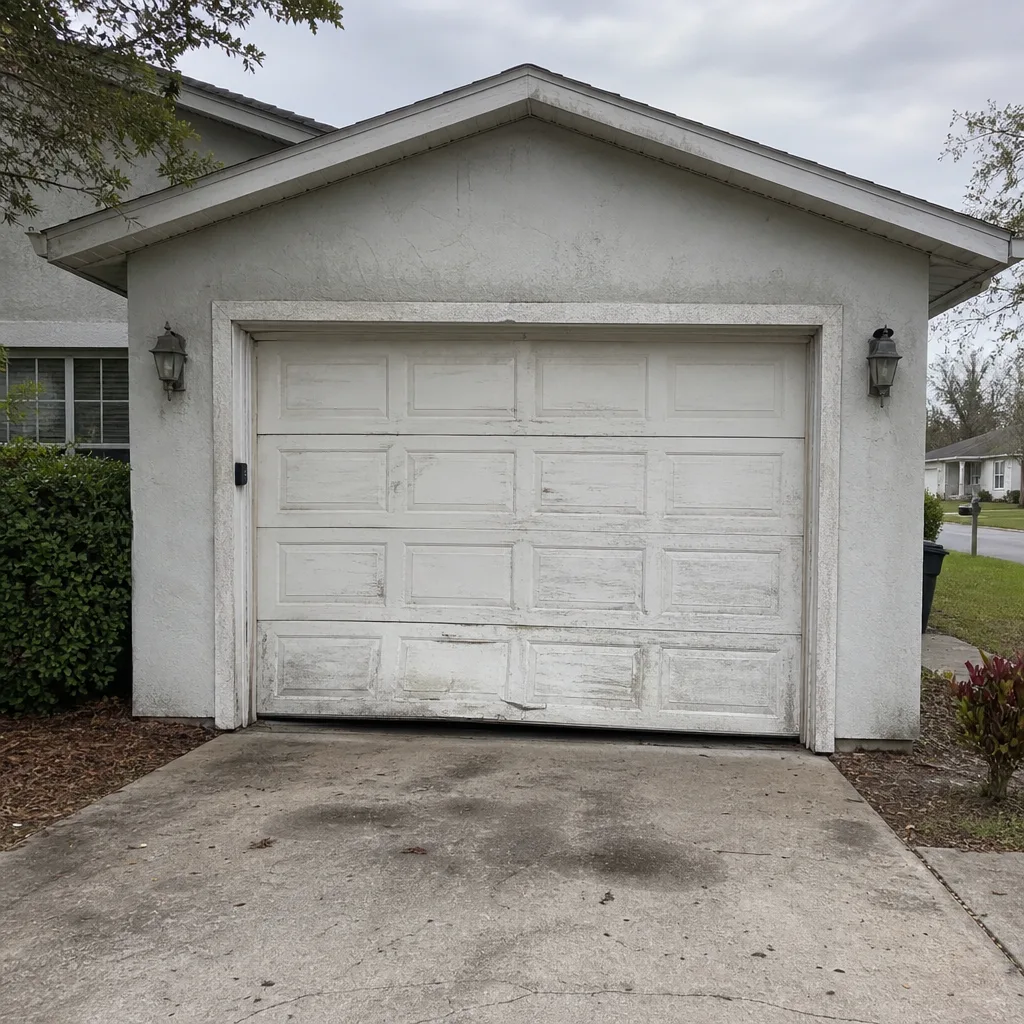 Before
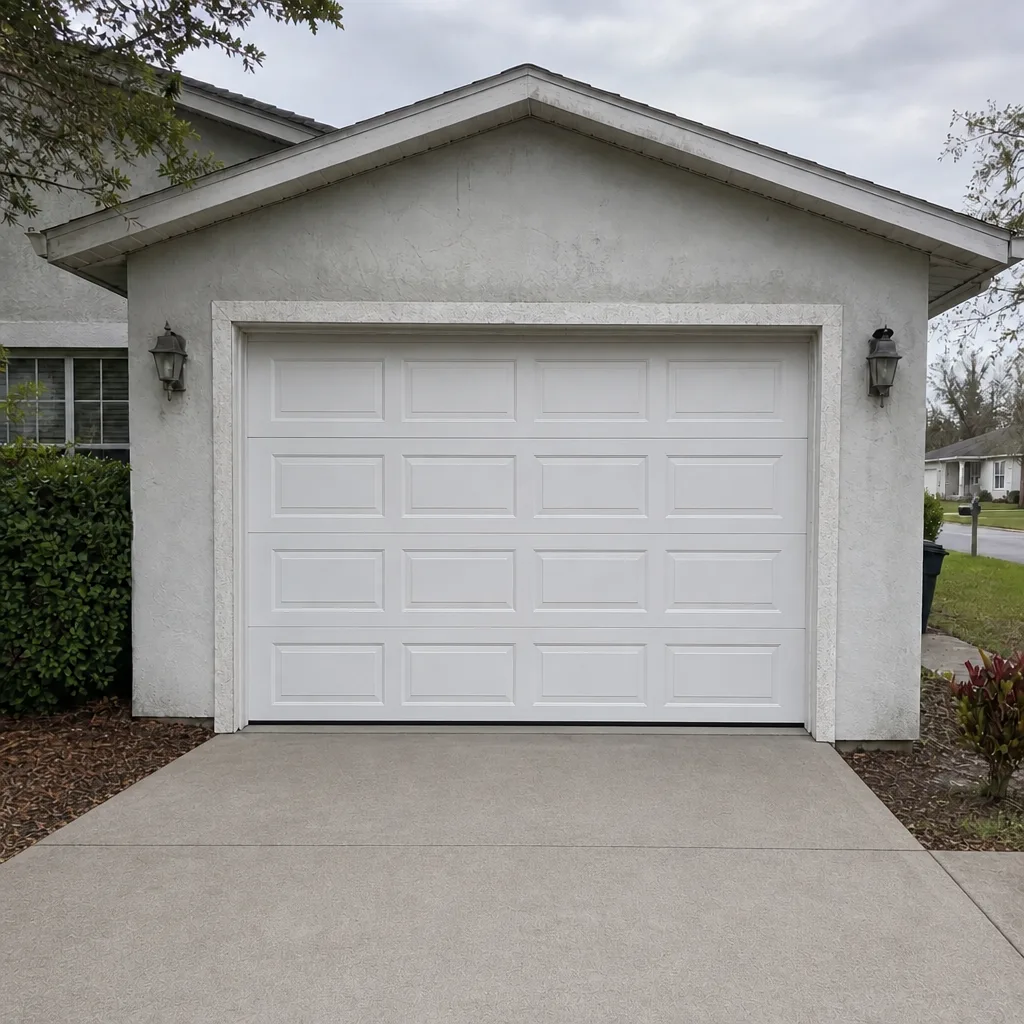 After
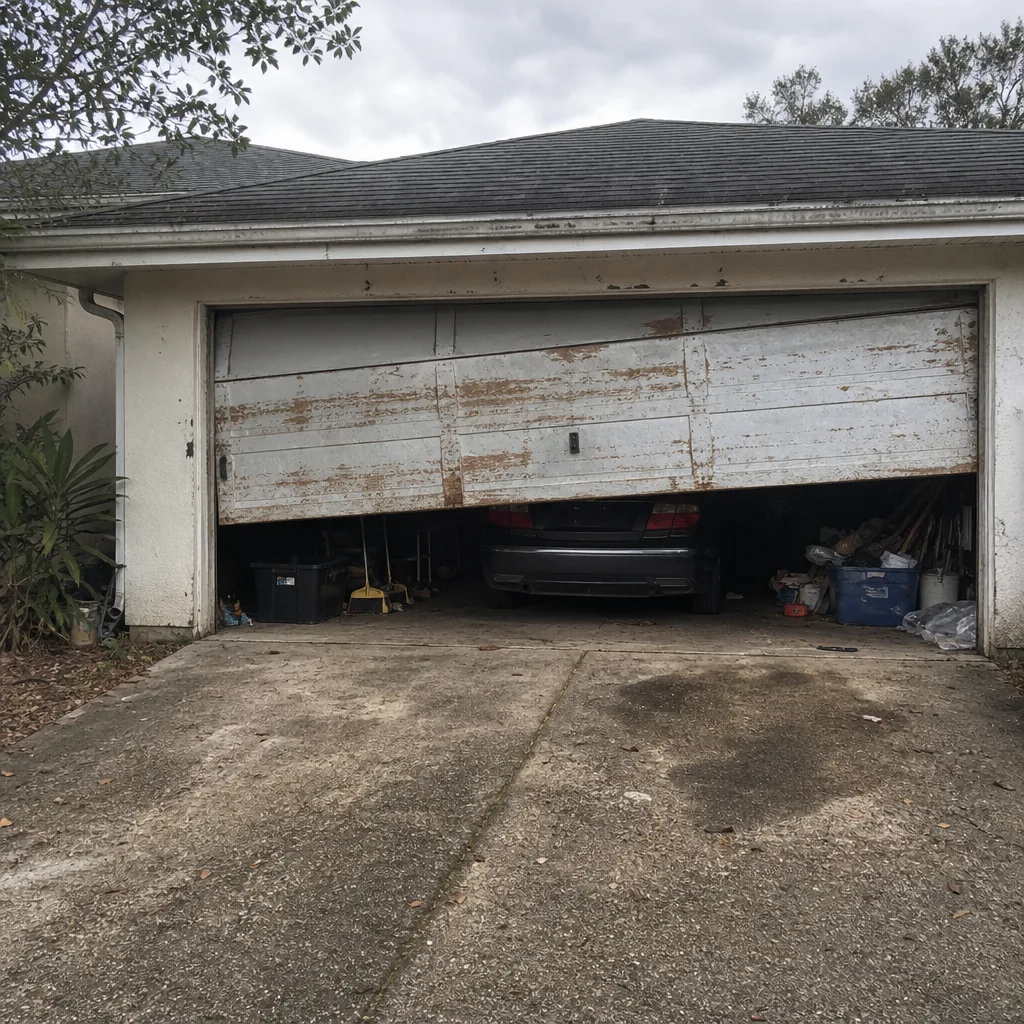 Before
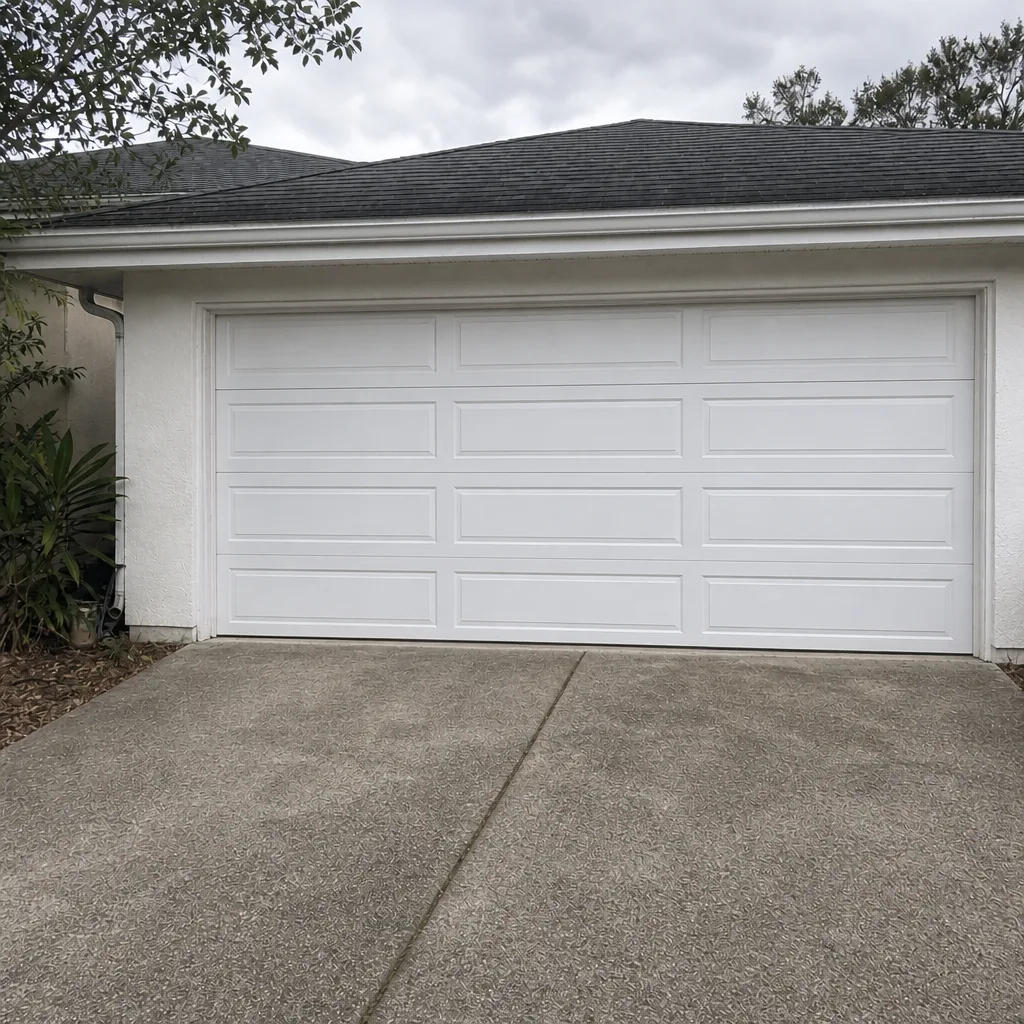 After
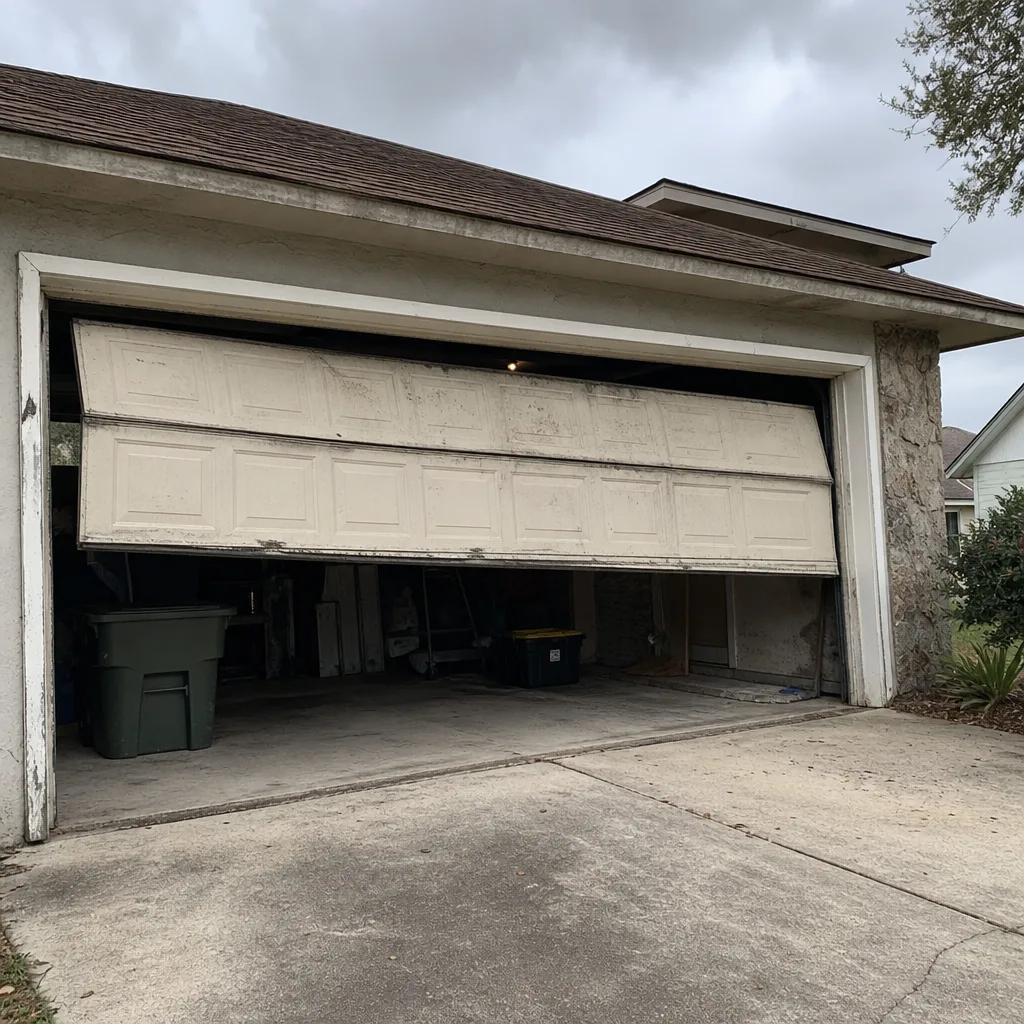 Before
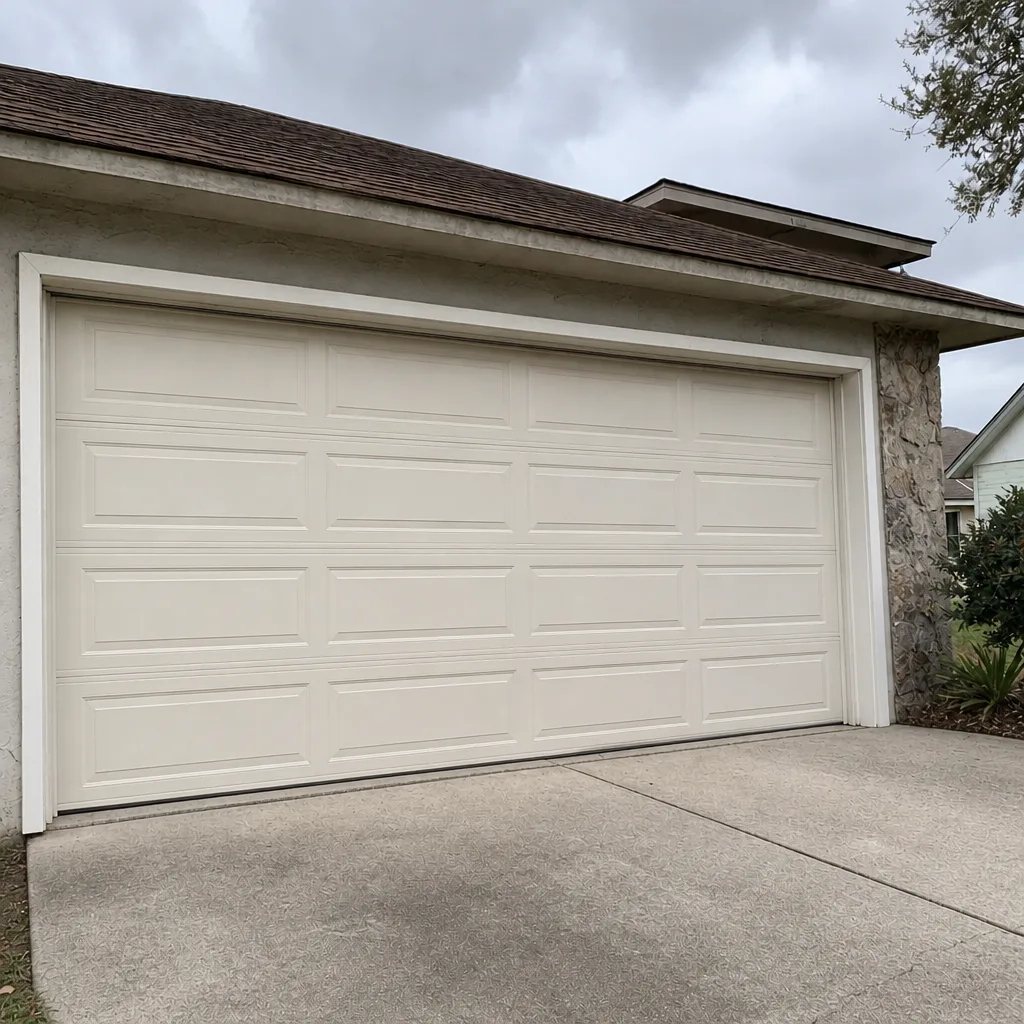 After
When to Call a Professional
Some of this you can handle with a wrench and some common sense. The rest needs a specialist. Call us when a spring shows a visible gap or break, when a cable is frayed or slack, or when the door has come off its track. Call if the door reverses with nothing near it, if it feels very heavy on the lift, or if it won’t close and you can’t wait for a scheduled visit. Also call if a door that used to run quietly now grinds, pops or leans. Sanford Garage Door Repair Pros offers free estimates in Sanford, so you can get a written price before committing to anything. Garages are all we do, and we work on the brand you already have. Call (855) 506-7237. We answer 24/7. Fast dispatch from 7am to 7pm, Sunday through Friday.
Frequently Asked Questions
The most common are hesitation before the door moves, uneven travel or a slight lean, new grinding or popping sounds, a door that reverses before reaching the floor, and visible sag, gap or fraying on the spring and cable assemblies. In Sanford, rust on the tracks and seals gone brittle from UV add to the list. If several of these show up together, schedule an inspection. Call (855) 506-7237 for an exact quote, and estimates are free.
Look for a visible gap between coils that wasn’t there before, a coil that’s tighter at one end, or a spring noticeably slacker than its partner on a two-spring setup. A pause before the door lifts and a door that feels unusually heavy are also cues. Don’t touch or adjust the spring; have a trained professional inspect it. Call (855) 506-7237 for an exact quote, and estimates are free.
You can tighten loose hinge and bracket bolts and clean photo-eye lenses, and those are safe to handle. Anything involving springs, cables or track alignment should go to a professional, since those parts are under high tension and can cause serious injury. Call (855) 506-7237 for an exact quote, and estimates are free.
A reversal before the floor is usually the safety system reading an obstruction, or the opener meeting more resistance than it expects. In Sanford’s humid climate, rust on tracks and dry rollers are common sources of that extra resistance. Clean and align the photo-eyes first, and if the reversal continues, get the door inspected. Call (855) 506-7237 for an exact quote, and estimates are free.
For a door that won’t close and can’t wait for a scheduled visit, we offer emergency garage door service. Call (855) 506-7237. We answer 24/7. Fast dispatch from 7am to 7pm, Sunday through Friday. A call outside dispatch hours is booked into the next opening, Sunday through Friday, 7am to 7pm.
The local pro who comes to your door is licensed and insured as their state requires. The price is quoted and agreed before any work starts, and the written estimate sets the final price. Call (855) 506-7237 for an exact quote, and estimates are free.
The Bottom Line
Garage door failures almost always announce themselves before they happen. The trouble is that the early signs are quiet: a hesitation, a slight lean, a new grinding sound, a gap between spring coils. In Sanford, our humidity and sun add rust, swollen wood and brittle seals to the list. Read the signs, sort them with the triage above, and treat anything involving a spring or cable as a job for a trained professional. That habit turns a snapped spring at a bad moment into a scheduled repair. If something on your door doesn’t look or sound right, we’re here to help. For a free estimate, call Sanford Garage Door Repair Pros at (855) 506-7237. We answer 24/7. Fast dispatch from 7am to 7pm, Sunday through Friday. Read more about our full Sanford Garage Door Repair Pros service, and don’t put off the call that keeps your door working.
Written by the team at Sanford Garage Door Repair Pros.