
Last updated November 22, 2026
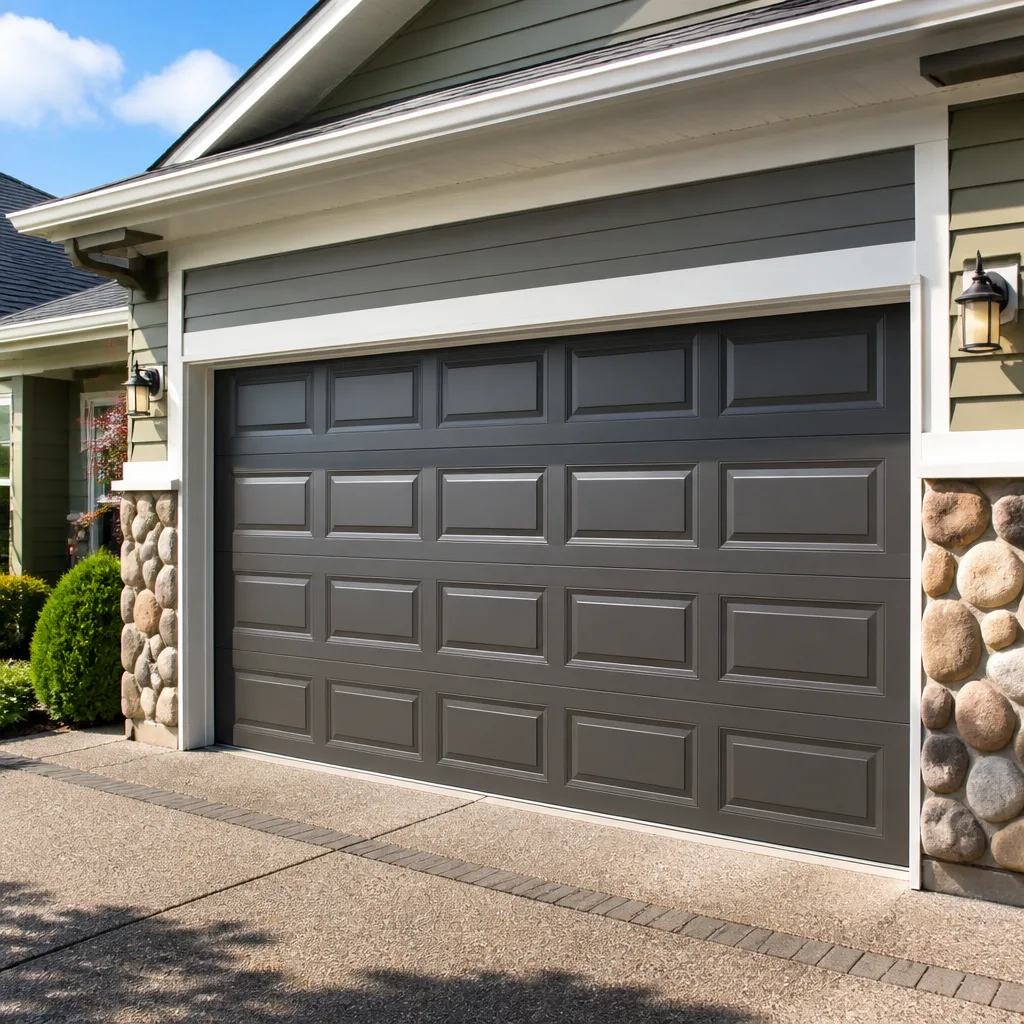 Raised-panel steel
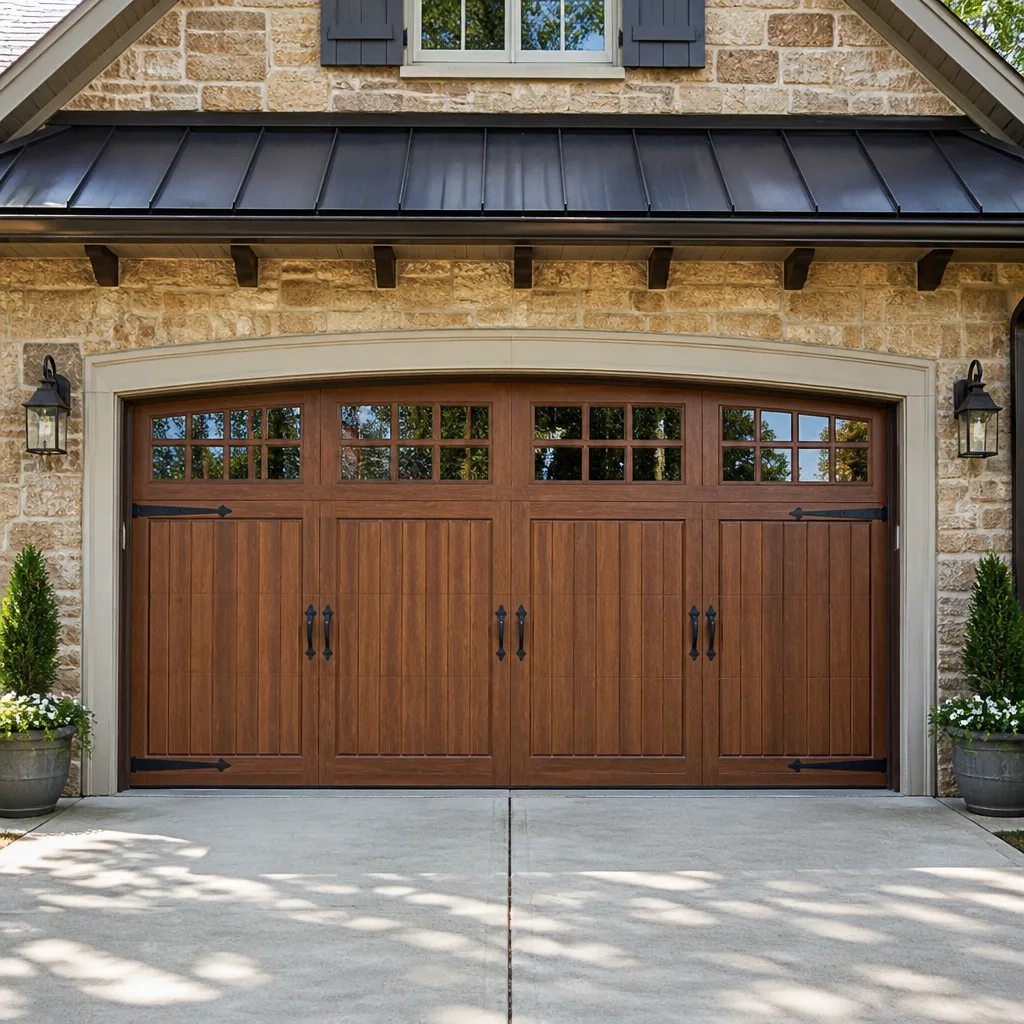 Carriage house
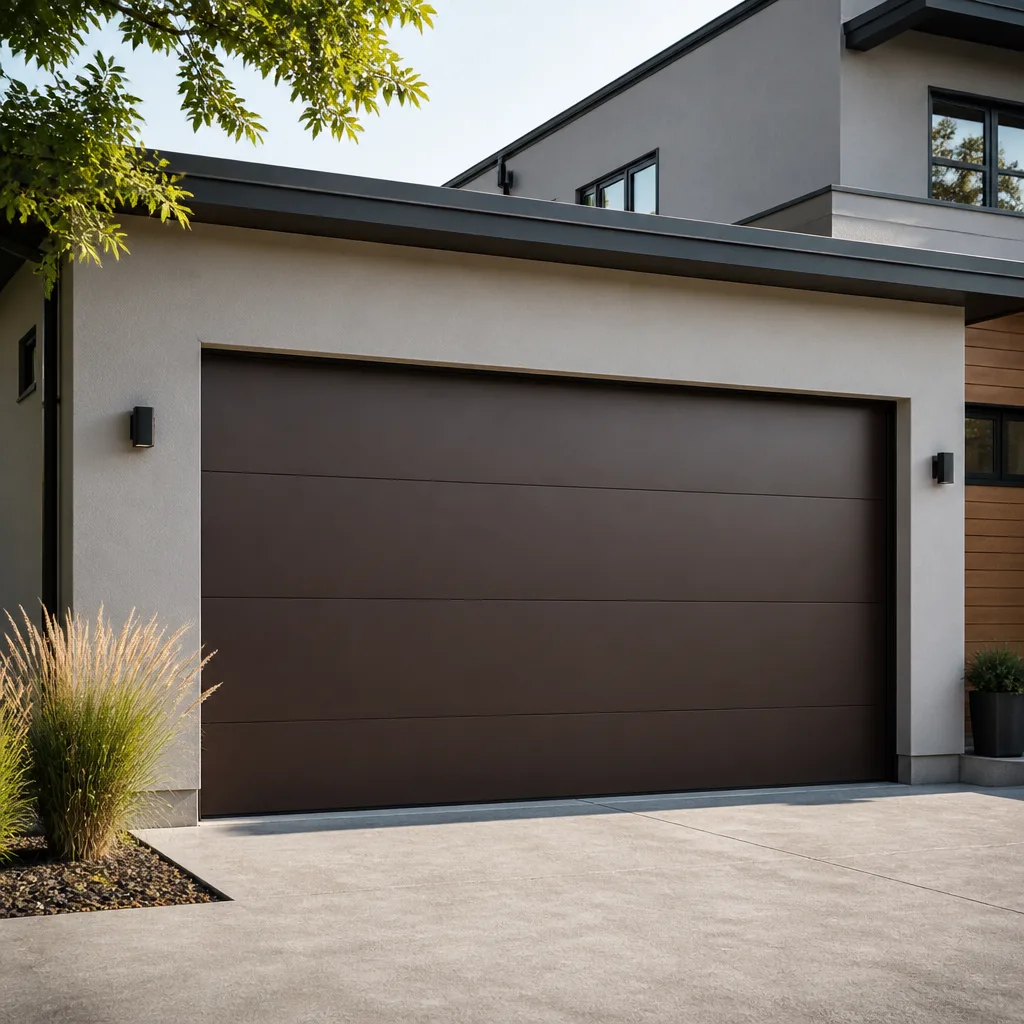 Modern flush
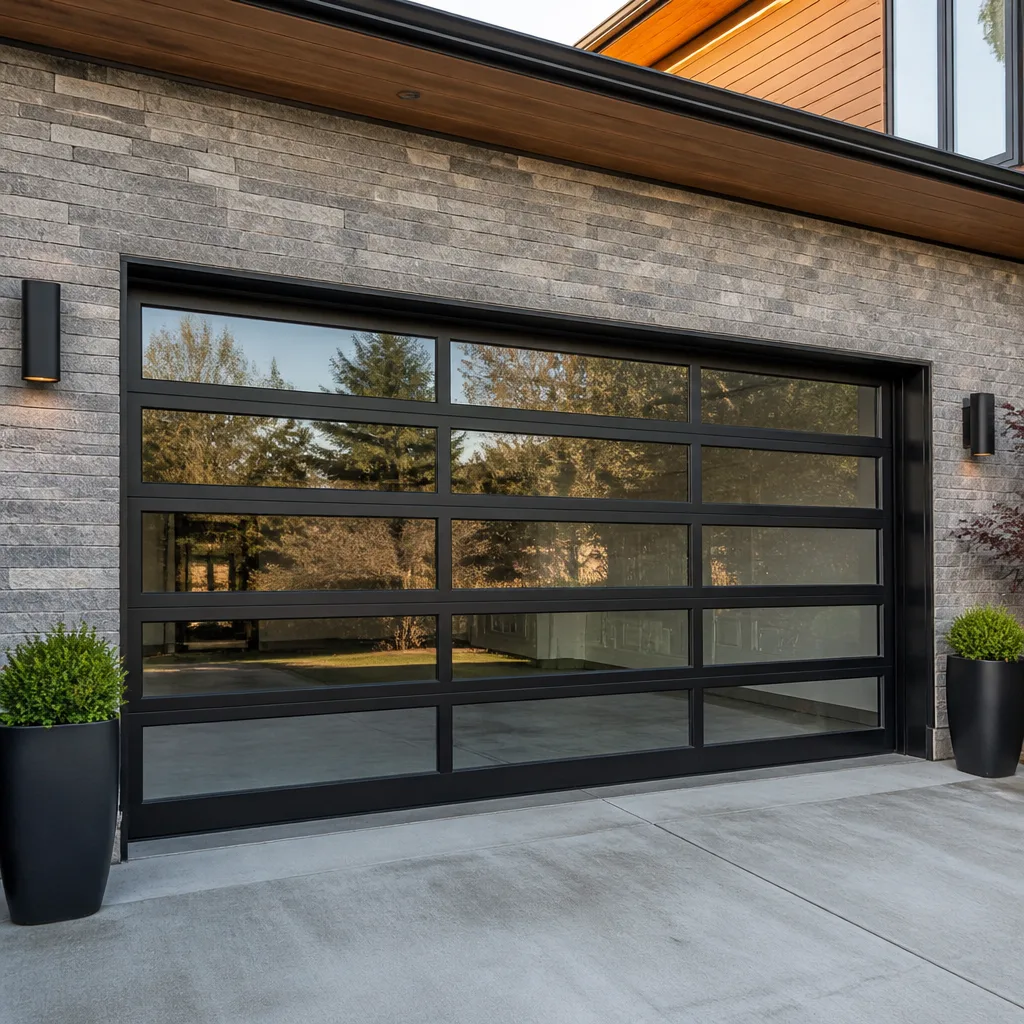 Full-view glass
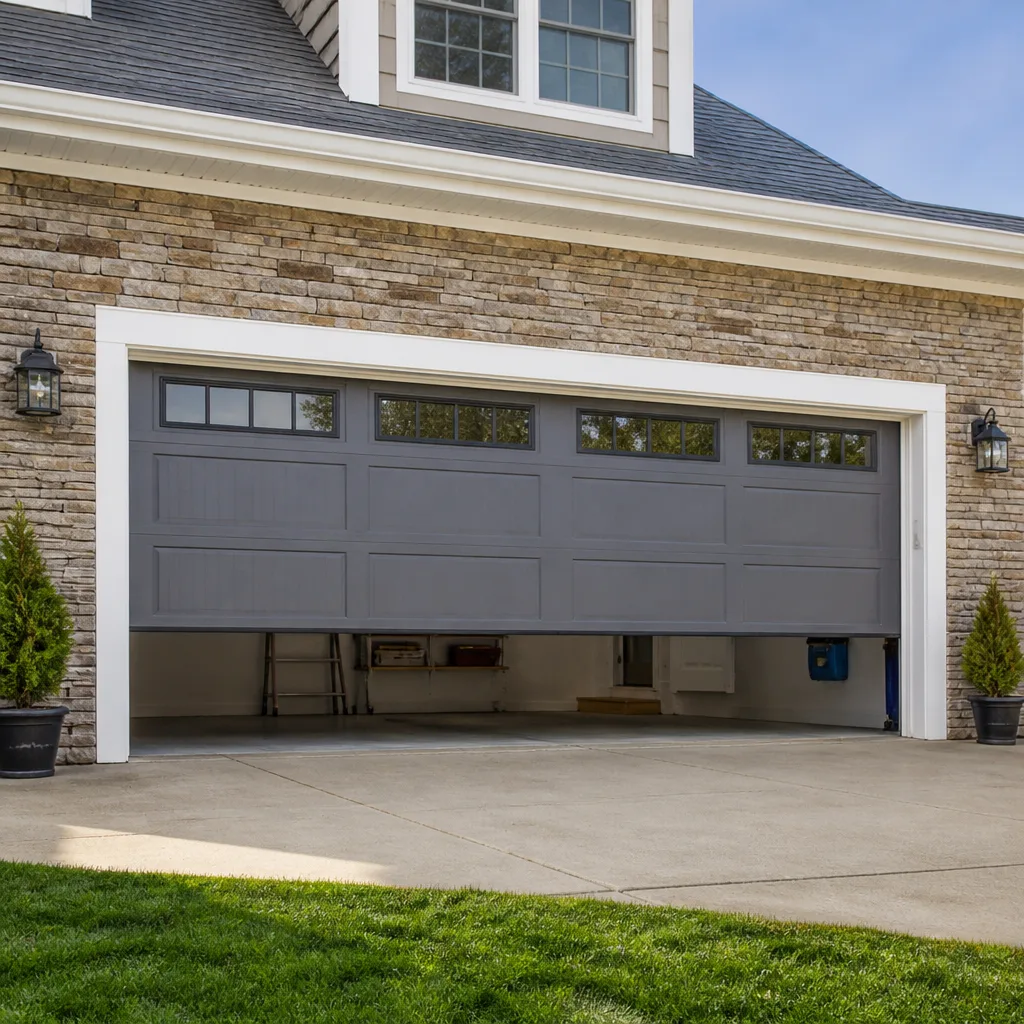 LiftMaster openers
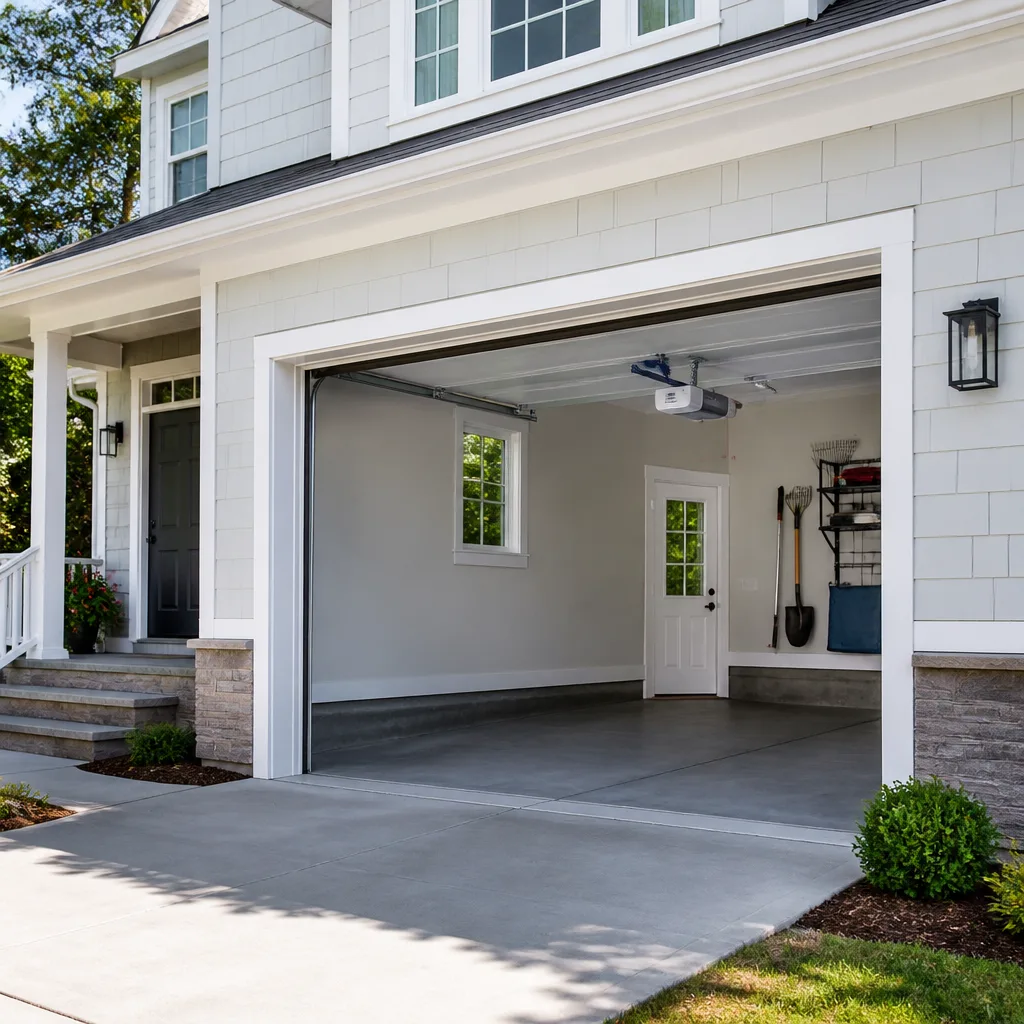 Chamberlain openers
Full 25-point door and opener safety check with every visit - springs, cables, rollers, tracks, and your LiftMaster or Chamberlain opener included
You get a price before we start. It does not change when the pro arrives.
Get your free estimateGarage Door Permits, Codes & Inspections in Sanford, FL: What You Need to Know
Swapping a garage door panel sounds like a simple repair. In Seminole County, depending on scope, it can legally require a permit and inspection, and if the previous owner skipped that step, it becomes your problem at closing. That is the part most Sanford homeowners don’t see coming. A door that opens and closes fine every morning can still be an unpermitted installation sitting in the middle of a real estate transaction, and the buyer’s inspector will find it before you do. This guide covers when a permit is actually required in Sanford, how the process works from start to finish, what inspectors look at, and what to do if you inherit unpermitted work on a home you’re about to sell.
Quick Answer
In Sanford and the rest of Seminole County, a garage door permit is generally required when you replace the door or opener with a different size, model, or specification, or when the work changes the opening or its structural support. A like-for-like repair of existing components (a broken spring, a worn hinge, a snapped cable) typically doesn’t need one. Florida Building Code wind-load requirements also apply to replacement doors in Sanford’s wind zone, so a compliant door installed under permit protects both your home and your insurance claim down the road. When in doubt, call the City of Sanford’s building department or Seminole County directly and ask before the work starts.
Styles & brands we work with
- Raised-panel steel
- Carriage house
- Modern flush
- Full-view glass
- LiftMaster openers
- Chamberlain openers
Table of Contents
- What Triggers a Garage Door Permit in Seminole County?
- Florida Building Code and Sanford’s Wind Zone
- How to Check Permit History Before You Buy
- The Permitted Install Process: Step by Step
- What Inspectors Actually Look At
- Retroactive Permits for Unpermitted Work
- Repair vs. Replacement: Where the Line Sits
- How Permits Affect Your Insurance
What Triggers a Garage Door Permit in Seminole County?
The threshold between “no permit needed” and “permit required” usually comes down to three things: the size of the opening, whether the structural support is being altered, and the specifications of the new opener or door. A technician swapping out a broken spring or a bent track on the existing door is doing repair work on an already-permitted assembly. A crew cutting out the old door and hanging a new one that differs in size, model, or engineering from the original crosses into replacement territory, and that is where the permit requirement typically kicks in. Sanford falls under the City of Sanford’s permitting authority for properties inside the city limits and Seminole County for unincorporated areas, so the exact rule depends on your address.
Here’s how the line usually breaks down:
- Typically exempt from a permit: replacing a broken torsion spring, replacing rollers and hinges, replacing a section of track, replacing a damaged panel with an identical one from the same manufacturer, changing opener remotes, and replacing a motor with one matching the original pull-force rating.
- Usually requires a permit: replacing the full door with a differently engineered model, changing the door size, changing the opener to one with a different horsepower or pull-force rating, altering the structural header or jamb, and installing a door on an opening that has never had one.
- Depends on your jurisdiction and scope: a same-size, same-spec like-for-like door replacement. Some jurisdictions require the permit regardless, because the new door has its own wind-load engineering. Ask the building department before you order the door.
This is exactly why a garage door installation in Sanford should start with a conversation about permitting, not a catalog. If we’re swapping your Clopay door for a same-size Clopay model, the permit question is answerable in ten minutes. If you’re going bigger or changing the opener platform, plan for a permit and an inspection window before the work begins.
Florida Building Code and Sanford’s Wind Zone
Garage doors are the largest opening in most Sanford homes, and in a wind event they are also the weakest point in the envelope once internal pressure builds. Florida Building Code treats the garage door as a rated component: it has a design pressure rating tied to your home’s wind zone, and a replacement door must meet that rating. When you look at the sticker on a compliant door or its paperwork, you’re looking at proof that the door has been engineered and tested for the wind loads in your part of Central Florida. Sanford’s wind exposure is real, and a door rated for a different region or a lower design pressure doesn’t give you the same protection.
This matters for more than code compliance. Insurance carriers increasingly ask whether the garage door has been replaced under permit with a wind-rated product. If a storm damages a door that wasn’t rated for the area, an insurer can deny or reduce a claim because the opening didn’t meet the code in force for that assembly. That’s not a scare tactic; it’s the practical reason inspectors look at the door’s label and the installation paperwork before they sign off. If you’re replacing a door in Sanford, the permit and the engineering go together. The alternative is a door that opens and shuts fine but carries no documented wind rating, which is a paper problem you inherit at resale.
Brands matter here because the paperwork matters. A LiftMaster or Chamberlain opener provides its own rated pull-force documentation, and door manufacturers like Clopay publish the design-pressure ratings that get filed with the permit application. If you’re not sure what your existing installation was rated for, a garage door repair visit can usually identify the door and opener model and tell you what you’re working with.
How to Check Permit History Before You Buy
Before any Sanford home purchase closes, spend fifteen minutes on the permitting records for the property. A garage door that was replaced without a permit can leave the buyer’s agent asking for corrections at the last minute, and in a slow market that can cost you far more than the permit would have. The good news is that the records are public and usually searchable online.
- Identify the jurisdiction. Confirm whether the address is inside the City of Sanford’s permitting authority or under Seminole County. The same street can sit in either one depending on which side of a boundary you’re on.
- Pull the permit history for the address. Use the online permit portal for the appropriate jurisdiction. Search by address, parcel number, or owner name and request the history for the last decade or more.
- Look for a garage door or opener permit specifically. A permit record should list “garage door replacement” or a similarly worded description. If the property was built before the door in place now, the record of the replacement should exist.
- Check for a closed inspection. A permit that’s open but never inspected is a red flag. Look for the final inspection status and the date.
- Compare dates to the door label. Garage doors carry a manufacturer label with a production date. If the label predates the home’s construction by decades or the door is clearly newer than any permit record, ask why.
A gap in the permit history isn’t always a problem. Small repairs and cosmetic changes never generate permits. But a door that’s obviously newer than the property’s records and has no corresponding permit is a signal worth investigating before you sign. If you’re already under contract and the inspection flags a questionable install, a garage door repair professional can look at the door, the tracks, the anchors, and the opener and tell you what was done and how it should have been permitted.
The Permitted Install Process: Step by Step
A permitted garage door install in Sanford is not complicated, but it has a sequence. The permit has to be pulled before work begins; that’s the difference between a compliant project and a retroactive headache. Here’s how the process usually runs.
- Measure and spec the door. The installer confirms opening size, available headroom and backroom, spring type, and the design-pressure rating the door needs to meet for the home.
- Pull the permit. The permit application typically shows the door model, its engineering documentation, the opener model, and the intended installation method. Many jurisdictions accept this electronically.
- Order the door. Doors are manufactured to spec, so the permit and the order are coordinated. Lead times vary by brand and configuration, which is why installs are scheduled, not same-day.
- Install. The old door and opener come out, the new hardware goes in, and the installer documents what was installed. Springs, cables, and anchors are set to the door’s actual weight.
- Inspection. The inspector who signs off is looking for the door label with its design-pressure rating, the opener’s labeling, the anchoring method, and that the installation matches the permitted drawings. Deficiencies get written up and corrected, and a re-inspection follows.
- Close the permit. Once the final inspection passes, the permit is closed on the record. That closed permit is what your insurer or buyer’s agent will see years from now.
If you’re planning a full door replacement, our garage door installation process includes handling the permit conversation and scheduling around the inspection window. Expect the timeline to sit in the weeks rather than days for a custom or ordered door, and ask for a written estimate before a single screw comes out.
What Inspectors Actually Look At
The inspection isn’t a cosmetic review. It’s a mechanical and documentation check on a rated assembly. In our experience working with Sanford homeowners through permitted installs, the list of items an inspector focuses on is fairly consistent:
- The door label. The design-pressure rating and the manufacturer’s label need to be visible and match the permitted documents.
- The opener. The model and pull-force rating need to match what was submitted. Replacing a Genie opener with a different platform mid-project without updating the permit is a common failure point.
- Anchor and fastener method. How the tracks and springs are anchored to the jamb and header, and whether the fasteners meet the engineering spec.
- Springs and cables. That the torsion or extension spring system matches the door weight, and that safety cables are installed on any extension-spring door.
- Safety features. The photo-eye reversal system and the manual release, which are required on any automatic opener.
- Clearances. That the door travels fully and doesn’t intrude on structural elements or block required egress.
Inspection day isn’t a surprise. When a door is installed correctly, the inspector walks up, reads the label, checks the opener, watches the door cycle, and signs off. The problems come from installations where the door or opener wasn’t matched to the permitted spec, or where a homeowner replaced a panel to a size that doesn’t correspond to the original engineering. In Sanford, where garage doors face real wind exposure, those mismatches matter.
Retroactive Permits for Unpermitted Work
If you discover that a prior owner replaced the garage door or opener without a permit, you can usually correct the record through a retroactive permit. The exact process varies by jurisdiction, but the general shape of it is consistent. You’ll file for the permit after the fact, provide whatever documentation the jurisdiction requires for the existing installation, and schedule an inspection. If the installation meets current code requirements for wind rating and safety, the permit closes. If it doesn’t, you’ll be told what needs to change before it can be signed off. That may mean a door that isn’t rated for the area gets replaced with one that is, or that missing safety features get added.
This is where a lot of Sanford sellers get caught: the correction has to happen before the sale, and a door that isn’t compliant has to be brought up to spec, not just permitted. When you’re preparing to list, get the permit history and the door’s label checked early. A garage door opener repair call is a good opportunity to ask about the overall compliance picture, since the technician is already looking at the system. Pulling the permit together during the listing window is far easier than trying to negotiate a correction after the buyer’s inspector writes it up.
If the work in question was only a repair, a broken spring or a panel swap, there’s typically nothing to correct on the permit record. The concern is replacement-level work that was never recorded.
Repair vs. Replacement: Where the Line Sits
Most garage door work in Sanford is repair, not replacement, and the permit question rarely applies. A snapped torsion spring, a wobbly top section, an opener that reverses halfway down, a bent track after a storm: these are maintenance and repair on an already-permitted assembly. Replacing a spring doesn’t change the door’s wind rating or its engineering. Routine garage door repair covers the vast majority of what we see on a given week.
The line moves when the change is structural or is a substitution of a rated component:
- A door replaced with a different model, size, or design-pressure rating.
- An opener upgraded to a different pull-force rating or drive platform.
- Structural changes to the header, jamb, or opening size.
- Conversion from a manual door to an automatic opener, or from an extension-spring system to torsion, in some jurisdictions.
There’s also the safety dimension. Garage door springs are under heavy tension, and an attempt to swap the spring system on your own has caused serious injuries. We always recommend a trained technician for spring, cable, and opener work, whatever the permit answer is. If the project is closer to an install than a repair, our garage door opener repair service can identify the opener model and tell you whether an upgrade would trigger the permit threshold.
How Permits Affect Your Insurance
Insurance carriers aren’t asking about your garage door to be difficult. They’re assessing exposure. An unpermitted door, or one installed with no design-pressure documentation, is a claim waiting to get contested. If wind damages a door that wasn’t rated for the local wind zone, the carrier can dispute coverage on the basis that the assembly didn’t meet code. A permitted installation with a closed inspection record is a clean, documented chain: the door is rated, the install was verified, and the record exists.
This isn’t only a claim question. When you sell a Sanford home, the buyer’s lender and insurer both have an interest in the permit history. A missing record can prompt a request for correction mid-escrow, and in the worst case it delays or kills the closing. The permit costs a fraction of the door and takes a fraction of the time of a last-minute correction. If you’re replacing your door any time in the next year, look at it as part of the cost of doing the job properly, not as an extra.
We work on the brands you already have, including LiftMaster, Chamberlain, and Genie openers and Clopay and Amarr doors, and the documentation for those products is typically readily available if your permit application needs it. That’s part of the reason we can move through a permitting conversation quickly: the engineering paperwork for the leading brands is already on file with the manufacturers.
Common Mistakes to Avoid
- Assuming “same size” means “no permit.” Even a same-size replacement can carry its own wind-rating engineering that has to be filed, so ask the building department before the door is ordered.
- Replacing the opener without checking the permitted pull-force rating. A homeowner upgrades to a stronger opener and the inspection record no longer matches the door assembly. The opener and door have to be evaluated together.
- Ordering the door before pulling the permit. Doors are manufactured to spec, and if the permit process requires a different rating or configuration, an early order can be a costly re-order.
- Trusting a seller’s “it’s all permitted” without checking the portal. It takes fifteen minutes to pull the record and compare it to the door label, and that fifteen minutes is the difference between a clean closing and a delayed one.
- Skipping the permit on a new-to-you home before you list. Retroactive permits are doable, but they need time for inspection scheduling and correction. Start the process months before you intend to sell, not weeks.
- Attempting a spring or cable swap on your own to avoid the call. Garage door springs are the most dangerous component on the assembly and warrant a trained technician, permit or no permit.
- Ignoring the design-pressure label. A door that opens and closes fine but has no rating for the local wind zone is a documented problem for your insurer and any future buyer.
See the difference
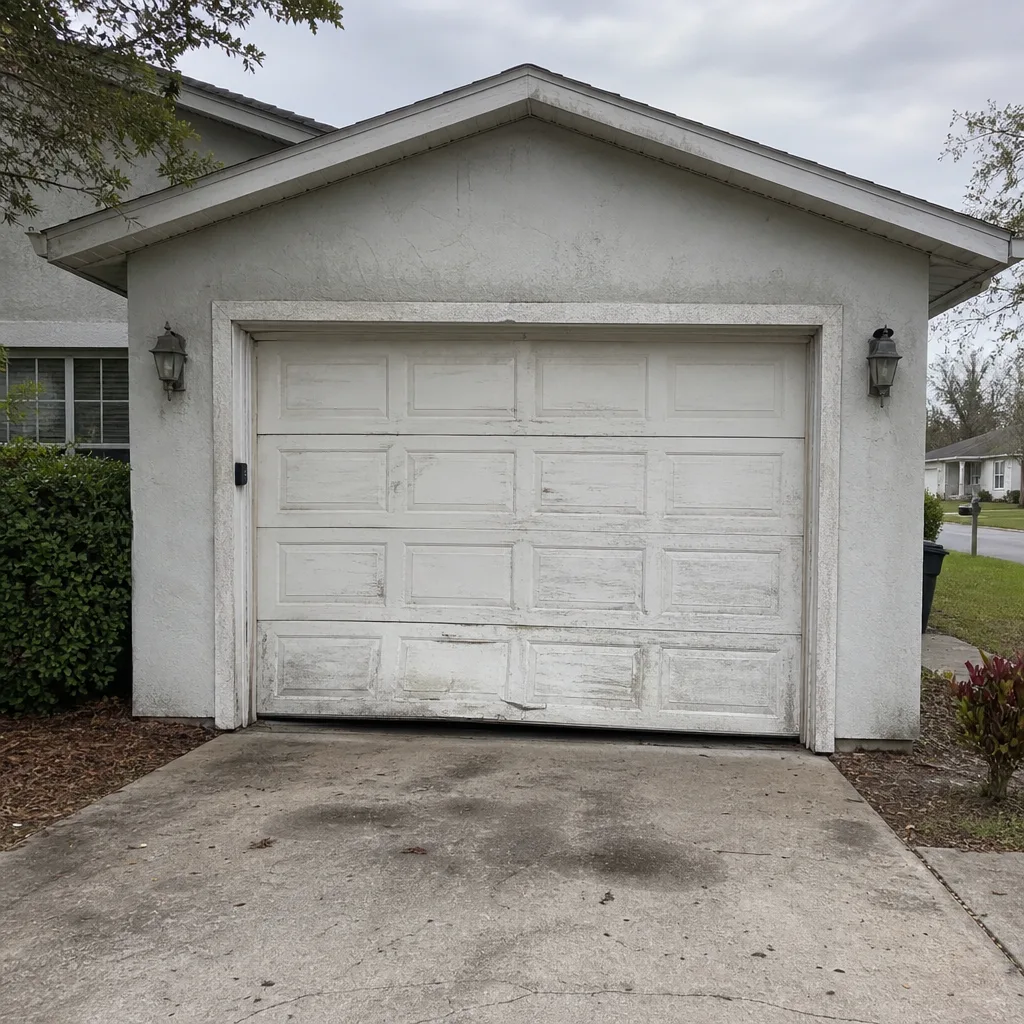 Before
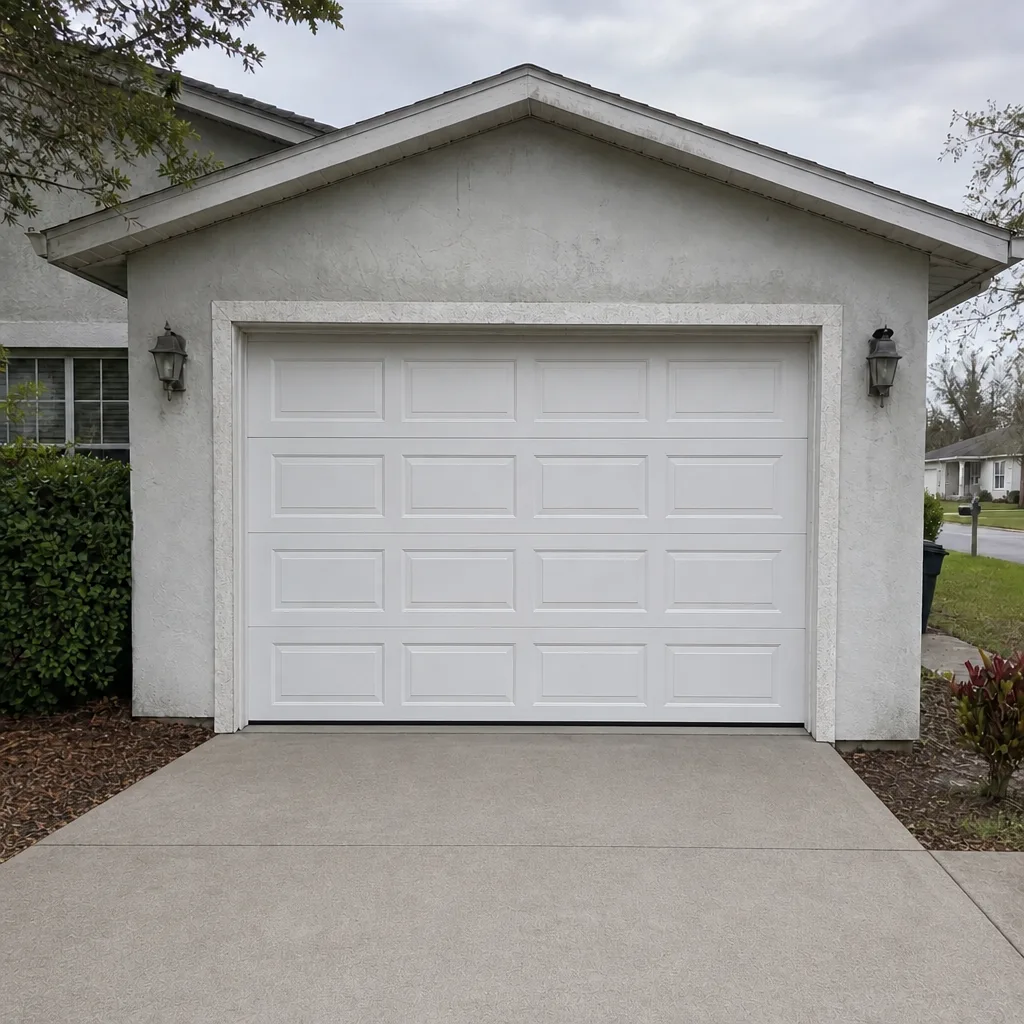 After
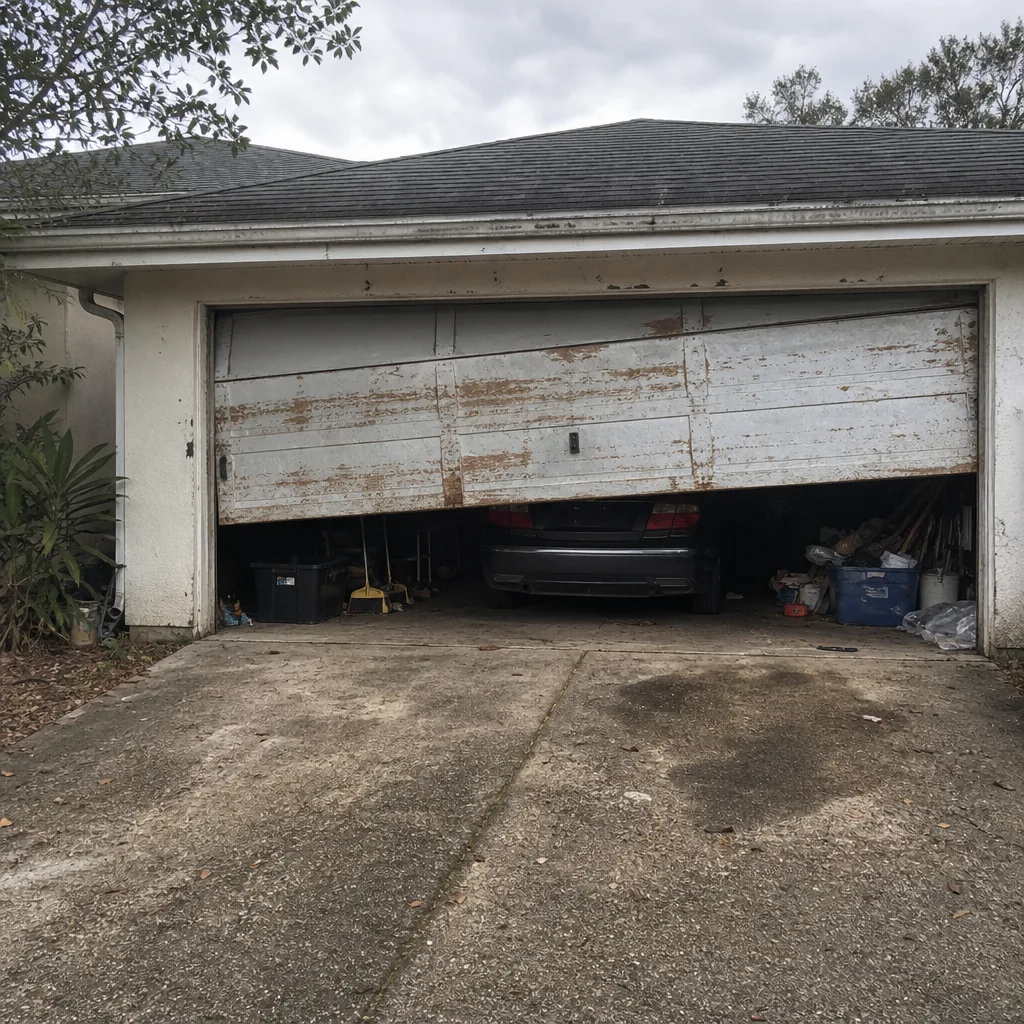 Before
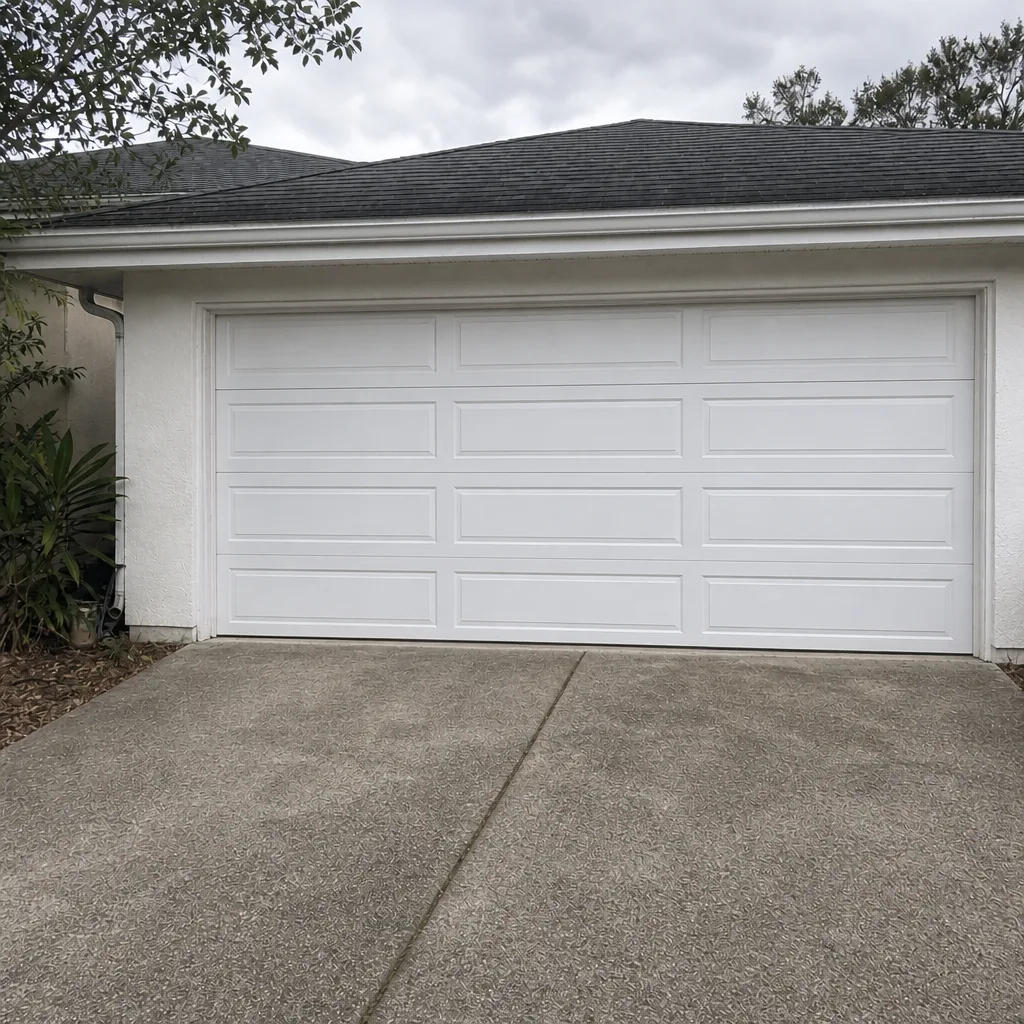 After
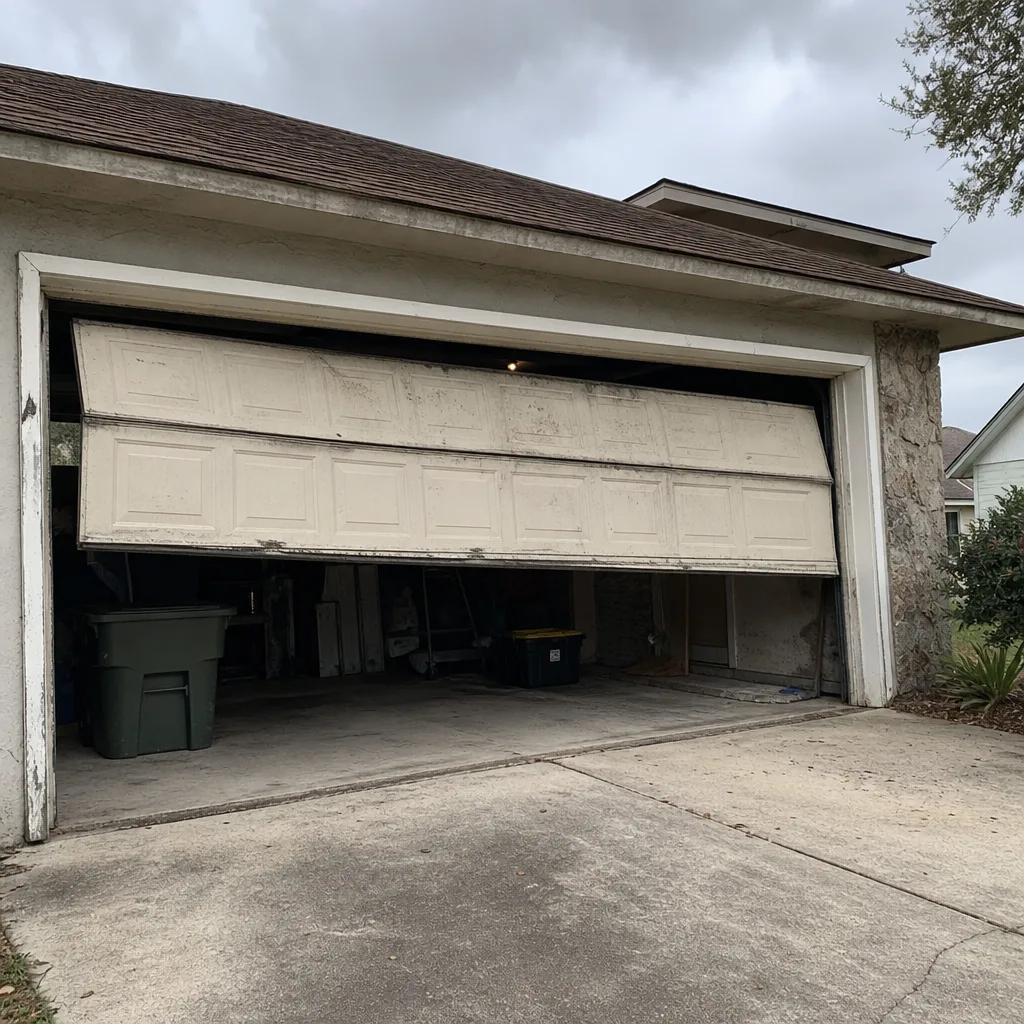 Before
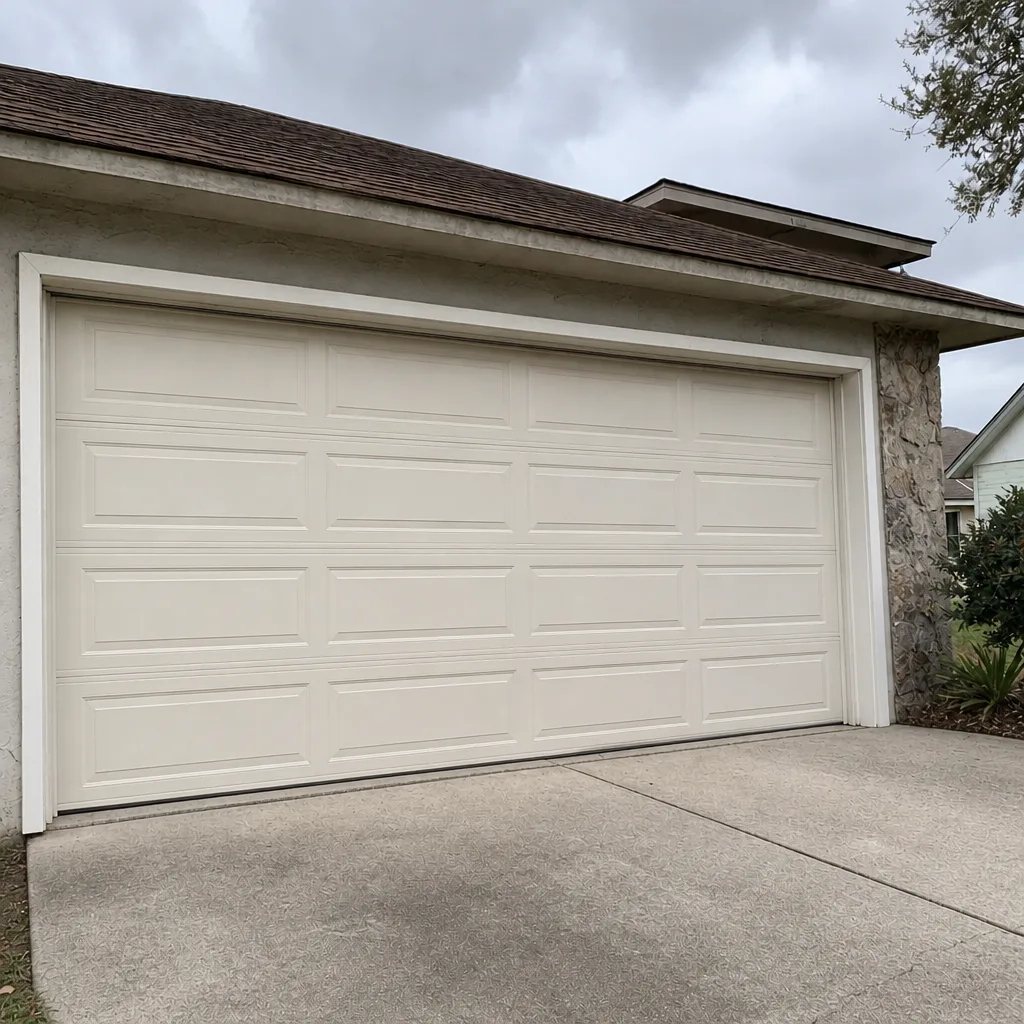 After
When to Call a Professional
Call a professional when the work crosses from repair into replacement, when the door or opener you’re considering has a different specification than what’s installed, or when you’ve discovered an unpermitted installation on a property you’re preparing to sell or buy. A licensed installer handles the permit and inspection coordination, matches the door and opener to the wind-load rating your Sanford home needs, and leaves you a documented record for insurers and buyers. Spring and cable work is not a DIY job; a trained technician is the safe choice regardless of the permit question.
Sanford Garage Door Repair Pros offers free estimates in Sanford. Call (855) 506-7237. We answer 24/7. Fast dispatch from 7am to 7pm, Sunday through Friday. Our technicians have up to 12 years of experience and work on the brands you already have, including LiftMaster, Chamberlain, Genie, and Clopay. Every job is quoted and agreed in writing before any work starts, and there is no pressure to replace what we can repair.
Frequently Asked Questions
In most cases, yes. Replacing the full garage door or changing the opener to a different specification generally requires a permit through the City of Sanford or Seminole County, depending on your address, because the new assembly has to meet Florida Building Code wind-load requirements. A like-for-like repair of existing components usually does not. Call the local building department to confirm the requirement for your specific address, and call (855) 506-7237 if you’d like us to look at the job and talk through the options.
Yes. Use the online permit portal for the City of Sanford or Seminole County, search by address, and look for a garage door or opener permit with a closed inspection. If the door is clearly newer than the property records and there’s no permit on file, ask the seller for documentation before you sign. Estimates from us are free; call (855) 506-7237 if you want a professional to look at the installation.
You can typically correct it through a retroactive permit. You file after the fact, provide documentation on the existing installation, and schedule an inspection. If the door meets current wind-load and safety requirements, the permit closes. If it doesn’t, you’ll be told what needs correction, which may include replacing a non-compliant door. Call (855) 506-7237 for a free estimate on any corrective work.
They check the door’s design-pressure label against the permitted documents, the opener’s model and pull-force rating, the anchor and fastener method, the spring and safety-cable configuration, the photo-eye and manual release systems, and the door’s travel clearances. The inspection is a documentation and mechanical check on a rated assembly, not a cosmetic review. Call (855) 506-7237 with questions; estimates are free.
No. We quote the job and agree the price in writing before any work starts, so there is no surprise invoice at the end. If the scope changes because of something we find once the door is open, we discuss it with you and get agreement before continuing. Call (855) 506-7237 for an exact quote; estimates are free.
Yes. The local professionals we connect you with are licensed and insured as their state requires, and they work on the leading brands including LiftMaster, Chamberlain, Genie, and Clopay. Pricing is set per job by written estimate, and we work through the permit and inspection coordination on installations. Call (855) 506-7237. We answer 24/7. Fast dispatch from 7am to 7pm, Sunday through Friday.
The Bottom Line
Sanford’s permitting rules for garage doors catch homeowners on replacement work, not repairs. A broken spring or a damaged panel is routine maintenance. A full door replacement or an opener change that alters the rated component is a permitted project with a wind-load requirement, and the paperwork is what protects you at claim time and closing time. Check the permit history before you buy, pull the permit before you order the door, and take retroactive correction seriously if you discover unpermitted work. If you’re not sure which side of the line your project sits on, ask us. Sanford Garage Door Repair Pros is a garage door specialist, and options, pricing, and permit questions are all part of the conversation. Call (855) 506-7237 for a free estimate, and see our main Sanford Garage Door Repair Pros page for a full view of what we handle.
Written by the team at Sanford Garage Door Repair Pros.